

Masgonzola is a rich, creamy Italian cheese blend made by combining mascarpone with Gorgonzola. The result is a smooth, spreadable cheese that delivers the gentle tang of blue cheese without the sharp bite many people find intimidating. If you like the idea of blue cheese but want something milder, masgonzola is a perfect starting point. If you already love blue cheese, masgonzola offers a silkier, more versatile way to enjoy those flavors in cooking and on a cheese board.
In recent years, masgonzola has quietly become a favorite among chefs and home cooks who want depth of flavor without overpowering dishes. It melts beautifully into sauces, spreads easily on bread, and pairs well with both sweet and savory ingredients. This article explores everything you need to know about masgonzola, from what it is and how it’s made to how you can cook with it at home.
What Is Masgonzola
Masgonzola is not a traditional, centuries-old cheese. It is a modern Italian blend that combines two famous cheeses into one: mascarpone and Gorgonzola. Mascarpone is known for its creamy, buttery texture and mild taste. Gorgonzola is known for its blue veins and bold, tangy flavor. When these two cheeses are blended, the result is masgonzola: creamy, slightly tangy, and pleasantly rich.
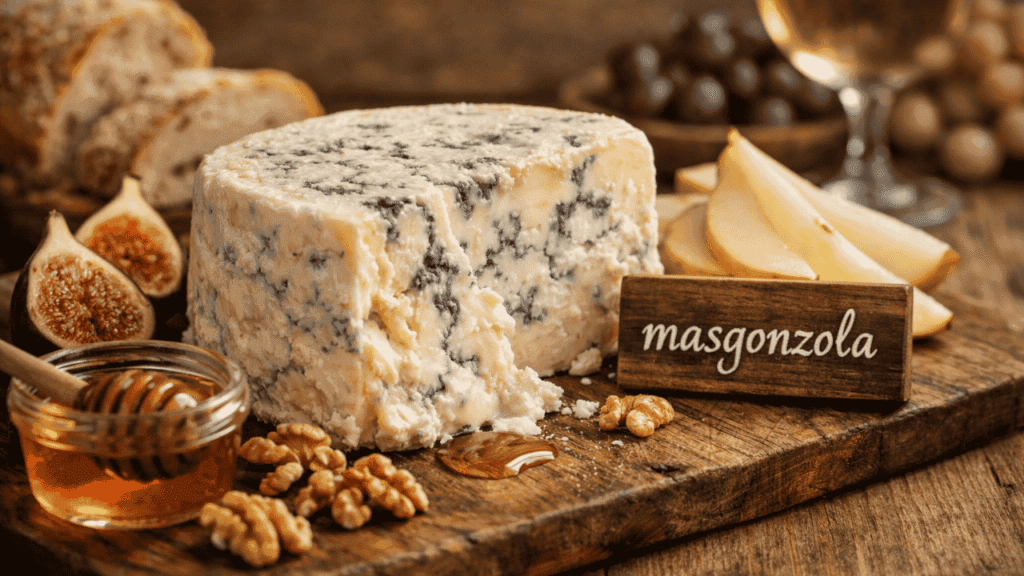
The beauty of masgonzola is balance. The mascarpone softens the strong notes of Gorgonzola, while the Gorgonzola adds complexity to the mascarpone. You get the best of both worlds.
The Cheeses Behind Masgonzola
Mascarpone
Mascarpone is a fresh Italian cream cheese made from cream. It is smooth, thick, and slightly sweet. It is commonly used in desserts like tiramisu, but it also appears in savory dishes for its rich texture.
Gorgonzola
Gorgonzola is one of Italy’s famous blue cheeses. It has blue-green veins created by mold cultures. Depending on the age, Gorgonzola can be soft and mild or firm and sharp. In masgonzola, a milder Gorgonzola is usually used so the blend stays approachable.
How Masgonzola Is Made
Masgonzola is created by carefully mixing mascarpone and Gorgonzola in specific ratios. The cheeses are blended until smooth. The process does not require long aging. Instead, the focus is on achieving a creamy, even texture where the flavors are well combined.
The final product is soft, spreadable, and easy to use straight from the container.
Flavor Profile of Masgonzola
Masgonzola tastes creamy first, tangy second. You notice the richness of mascarpone right away. Then you get the gentle, savory notes of Gorgonzola. It is not as sharp as regular blue cheese. It is not as plain as mascarpone. It sits comfortably in the middle.
This makes masgonzola ideal for people who say, “I don’t like blue cheese,” because often, they actually enjoy masgonzola.
Why Masgonzola Is Called a Gateway Blue Cheese
Many people avoid blue cheese because of its strong smell and intense taste. Masgonzola solves this problem. It introduces blue cheese flavor in a softer, more pleasant way. This is why chefs often recommend masgonzola to beginners.
It helps people slowly get used to the idea of blue cheese without overwhelming them.
Culinary Uses of Masgonzola
Masgonzola is extremely versatile in the kitchen.
It can be used as:
- A pasta sauce base
- A pizza topping
- A spread for bread and crackers
- A filling for ravioli or tortellini
- A dip for vegetables
- A cheese board star
Because it melts well, it works beautifully in warm dishes. Because it spreads easily, it shines in cold dishes too.
Masgonzola in Pasta Dishes
Masgonzola creates a smooth, velvety pasta sauce. Simply melt it with a splash of pasta water. No heavy cream is needed. Add black pepper, walnuts, pears, or mushrooms for a restaurant-style meal at home.
Also read:BK Horse: Meaning, Color Genetics, History, Care, Value, and Modern Importance Explained
Masgonzola on Pizza and Flatbread
Instead of traditional mozzarella, spread masgonzola on pizza dough. Top with pears, caramelized onions, or mushrooms. Bake until bubbly.
Masgonzola for Appetizers and Cheese Boards
Masgonzola pairs well with honey, nuts, fruit, and crackers. It spreads easily on crostini and makes elegant appetizers with very little effort.
Pairing Masgonzola with Fruits and Nuts
Masgonzola loves sweet contrast. Try it with:
- Pears
- Apples
- Figs
- Walnuts
- Honey
The sweetness balances the tangy notes perfectly.
Nutritional Insights
Masgonzola is rich and full-fat because of the mascarpone. It is best enjoyed in moderation. A small amount adds a lot of flavor, so you do not need much.
It provides calcium and protein but should be treated as a gourmet indulgence rather than an everyday cheese.
Pros and Cons of Masgonzola
Pros:
- Mild blue cheese flavor
- Very creamy and spreadable
- Melts easily
- Versatile in cooking
- Great for beginners
Cons:
- High in fat
- Not widely available in regular supermarkets
- Shorter shelf life than hard cheeses
How to Store Masgonzola
Keep masgonzola refrigerated and tightly sealed. Use within a few days after opening. Because it is soft and fresh, it does not last as long as aged cheeses.
Where to Buy Masgonzola
Masgonzola is often found in specialty cheese shops, Italian markets, and gourmet food stores. Some online cheese retailers also carry it.
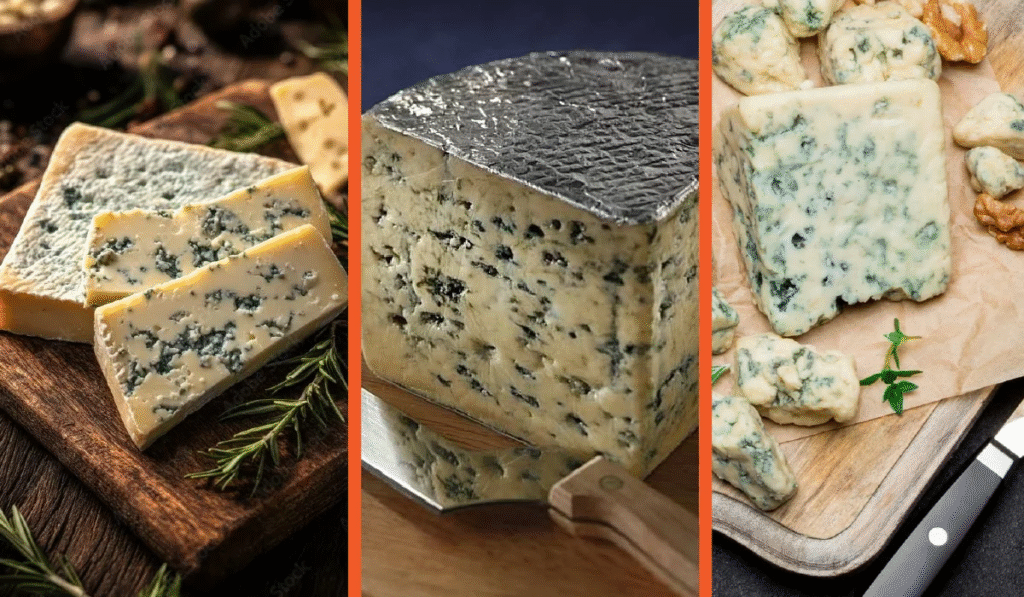
If you cannot find masgonzola, you can make a simple version at home by blending mascarpone and Gorgonzola until smooth.
Simple Homemade Masgonzola Blend
Mix:
- 2 parts mascarpone
- 1 part mild Gorgonzola
Stir until smooth. Adjust the ratio based on how strong you want the flavor.
Masgonzola vs Traditional Blue Cheese
Masgonzola is milder, creamier, and easier to cook with. Traditional blue cheese is sharper and firmer. Masgonzola is better for spreading and melting.
Also read:Fascisterne: Meaning, History, Ideology, Impact, and Modern Lessons Explained Clearly
Masgonzola in Modern Gourmet Cooking
Chefs appreciate masgonzola because it saves time. It already combines creaminess and flavor in one ingredient. This reduces the need for extra cream or seasoning.
Tips for Cooking with Masgonzola
- Add it at the end of cooking to keep texture smooth
- Do not overheat or it may separate
- Pair with sweet or earthy ingredients
- Use small amounts for big flavor
Frequently Asked Questions About Masgonzola
Is masgonzola a real Italian cheese?
It is an Italian-style blend inspired by traditional cheeses rather than a protected historical cheese.
Can I freeze masgonzola?
Freezing is not recommended because it changes the texture.
Is masgonzola strong like blue cheese?
No. It is much milder and creamier.
What wine pairs well with masgonzola?
White wines, light reds, and dessert wines all pair nicely because of the creamy and tangy balance.
Can lactose-sensitive people eat masgonzola?
It depends on tolerance levels, as it is made from dairy cream and cheese.
Is masgonzola good for kids?
Because it is mild, many children find it more acceptable than regular blue cheese.
Final Thoughts on Masgonzola
Masgonzola is a smart, delicious blend that makes blue cheese more accessible and mascarpone more exciting. It is creamy, flavorful, and easy to use in many dishes. Whether you spread it on bread, melt it into pasta, or serve it with fruit and nuts, masgonzola brings gourmet flavor into simple home cooking.