
The Evolution of Market Size and Corporate Integration
The way we experience online entertainment is changing dramatically. What once felt like a futuristic dream is now our everyday reality. We are witnessing a powerful transformation, all thanks to cryptocurrency and blockchain technology.
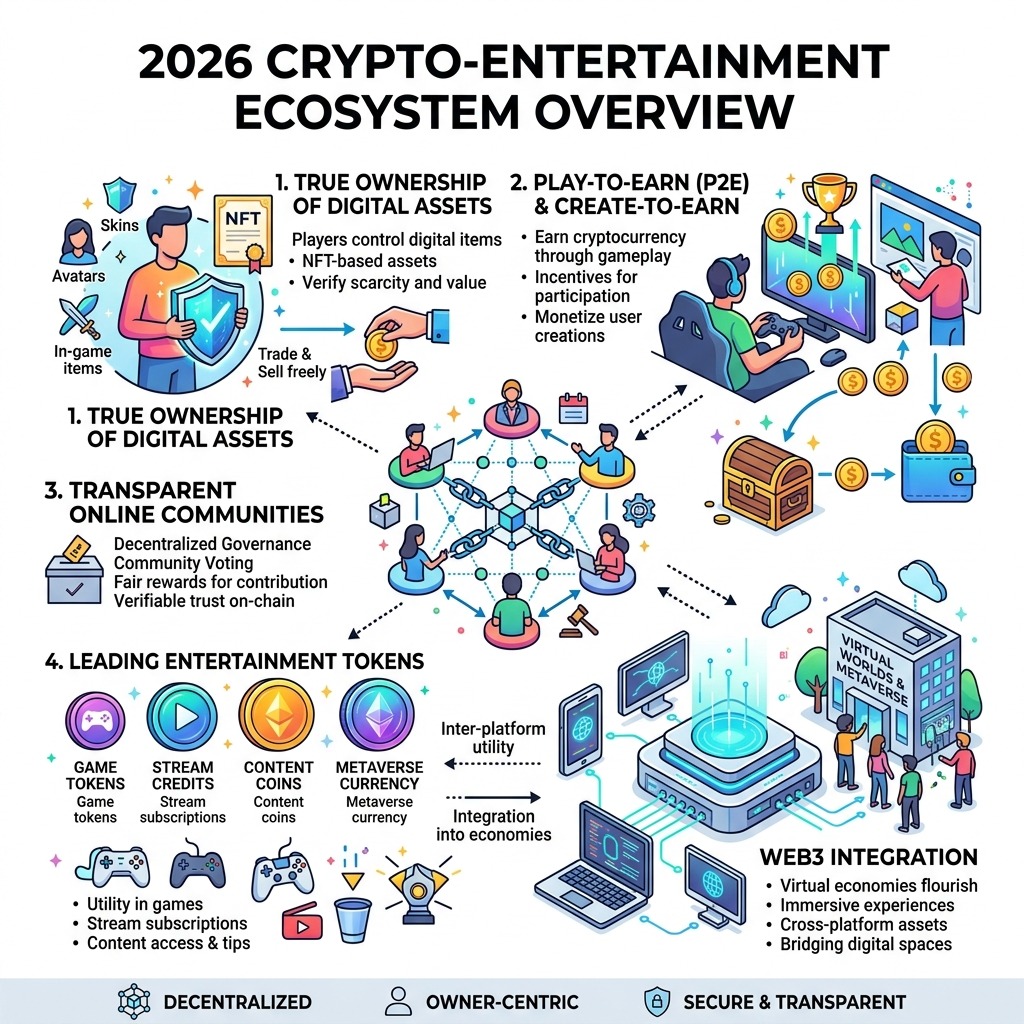
This shift goes beyond simple payment methods. It’s about giving us true ownership of digital assets. It creates exciting new ways to earn and build transparent online communities. Understanding this evolving landscape is key for anyone involved in digital content.
In this extensive guide, we will explore the deep connections between cryptocurrency and online entertainment. We will look at its rapid market growth and how major companies are adopting it. We will also dive into the core technologies that make this possible.
We will cover leading entertainment tokens and how they are used. We will see how crypto is revolutionizing online casinos and gaming platforms. We will also discuss security, privacy, and future trends like the metaverse. As more people explore Simplifying crypto investments, its role in entertainment becomes even clearer. Join us as we uncover this exciting new era.
The digital entertainment sector, particularly mobile gaming and streaming, has experienced an explosive growth trajectory, and cryptocurrency is increasingly becoming an integral part of this expansion. As of April 2026, the entertainment cryptocurrency sector boasts a total market capitalization of $1.25 billion across 68 assets, demonstrating a niche yet significant presence within the broader crypto market. This burgeoning sector is seeing increased institutional interest and strategic investments, signaling a long-term commitment to Web3 integration.
Mobile gaming, a dominant force in digital entertainment, reached a staggering $92 billion in 2024, accounting for 49% of all gaming revenue worldwide. Projections indicate this figure will climb to $103 billion by 2027, underscoring the immense potential for crypto integration within this mobile-first landscape. The high engagement rates, with 62% of smartphone owners installing games within their first week, create a fertile ground for new economic models powered by blockchain.
Major players are not merely observing this trend; they are actively shaping it. For instance, POP Culture Group Co., Ltd. made headlines with a $33 million strategic investment in Bitcoin (300 BTC). This move was explicitly aimed at accelerating its Web3.0 digital entertainment transformation. Their vision extends beyond traditional entertainment, seeking to evolve experiences from disposable consumption to appreciating digital assets. By diversifying its fund pool with stable assets like Bitcoin and Ethereum, POP Culture Group intends to incubate artists, invest in Web3 pan-entertainment projects, and build a global ecosystem that connects creators, users, and platforms in a symbiotic relationship. This strategic deployment of a 300 BTC reserve highlights a growing confidence in cryptocurrency as a foundational element for future entertainment economies. Such institutional adoption underscores a shift towards viewing crypto not just as an investment vehicle, but as critical infrastructure for pan-entertainment ecosystems and artist incubation, ultimately driving the appreciation of digital assets.

Cryptocurrency and Online Entertainment: The Core Technologies
At the heart of this revolution are the foundational technologies of blockchain, smart contracts, and cryptographic wallets. These elements are redefining how digital entertainment is consumed, owned, and monetized, offering unparalleled transparency, security, and user control.
Smart contracts, self-executing agreements with the terms directly written into code, are pivotal. In online entertainment, they automate payouts, ensuring that creators, players, and platforms receive their dues without intermediaries. This automation reduces delays, lowers costs, and minimizes disputes. For instance, in gaming, smart contracts can guarantee fair distribution of rewards in play-to-earn models or automatically transfer ownership of NFTs upon sale. In streaming, they can ensure direct and timely royalty payments to artists based on viewership metrics.
Blockchain technology provides the decentralized ledger that underpins all these innovations. It creates immutable records of transactions and asset ownership, making them transparent and tamper-proof. This verifiable randomness is crucial for applications like crypto casinos, where users can independently verify the fairness of game outcomes. The shift from “trust the platform” to “verify it yourself” represents a fundamental change in user-platform dynamics.
Furthermore, cryptocurrency enables frictionless micro-spending. Traditional payment systems often have high processing fees, making small transactions economically unviable. Crypto, however, removes these barriers, allowing for micro-payments like tipping streamers, buying single chapters of digital content, or purchasing small in-game items without significant overhead. This capability fosters new monetization models and encourages more frequent, smaller transactions, enhancing user engagement.
Perhaps one of the most significant structural changes is the evolution of the digital wallet. In 2026, wallets are no longer just places to store funds; they are becoming primary user identities. Through cryptographic signatures, wallets enable seamless sign-ins, cross-platform access, and continuity of user profiles and entitlements across various entertainment services. This shift empowers users with greater control over their digital presence and assets, moving towards a future where your digital identity is portable and self-sovereign.
Feature Traditional Gaming Blockchain-Enabled Gaming Asset OwnershipCentralized, platform-controlled True digital ownership (NFTs), player-controlled Monetization In-app purchases, subscriptions, ads Play-to-earn, NFT sales, royalties, token rewards TransparencyOpaque, centralized servers Provably fair, public blockchain ledgers Interoperability Limited to specific games/platforms Cross-game/platform asset transfer (NFTs) PaymentsFiat currency, credit cards (high fees) Cryptocurrencies (lower fees, global reach) Security Centralized servers (vulnerable to hacks) Decentralized, cryptographic security Community Platform-managed forums DAO governance, token-gated communities Economic Model Developer-driven Player-driven economies, real-world value Asset Ownership and Play-to-Earn Models
One of the most profound impacts of blockchain technology on online entertainment is the enablement of true digital asset ownership through Non-Fungible Tokens (NFTs) and the rise of play-to-earn (P2E) models. Unlike traditional digital items, which are merely licensed to users and can be revoked or disappear if a platform shuts down, NFTs represent unique, verifiable ownership of digital goods. This means a player truly owns their in-game items, character skins, or virtual land, with ownership recorded on an immutable ledger.
This concept of digital scarcity and ownership has fueled the success of groundbreaking games. Axie Infinity, for instance, generated over $4 billion in NFT sales at its peak, attracting 2.7 million daily active users. Players earned cryptocurrency and NFTs by battling, breeding, and trading digital creatures, creating a vibrant, player-driven economy. Similarly, The Sandbox, a metaverse platform, saw players spend over $350 million on virtual real estate purchases, where digital land plots are NFTs that can be developed, monetized, and traded. Games like Gods Unchained allow players to own their digital trading cards as NFTs, enabling them to be freely bought, sold, or even used across compatible platforms, a stark contrast to the locked-in assets of traditional games.
These P2E models transform gaming from a purely leisure activity into an economic opportunity. Gamers can earn real-world value from their time and skill, fostering dynamic player-driven economies. This shift has led to an explosion in blockchain gaming activity, with over 20 million daily transactions recorded in 2022, showcasing the immense engagement and economic activity within these new ecosystems. The ability to trade these assets on secondary marketplaces, often earning royalties for creators and previous owners, establishes new revenue streams and gives digital items tangible value beyond their in-game utility.
The Economic Impact of Cryptocurrency and Online Entertainment
The integration of cryptocurrency is fundamentally reshaping the economic landscape of online entertainment, driving new monetization strategies, empowering creators, and fostering global accessibility. One of the most significant shifts is the move towards direct creator payments. In traditional models, intermediaries often take substantial cuts from artists, streamers, and content creators. Blockchain-based platforms, powered by smart contracts, can facilitate direct, transparent payments, ensuring a larger share of revenue reaches the creators themselves. This is evident in decentralized streaming platforms and music royalties, where blockchain has led to a 55% increase in royalty payments in the past year alone.
Token-gated content is another innovative model, allowing creators to offer exclusive access to premium content, communities, or experiences to token holders. This creates a stronger connection between creators and their superfans, building loyal communities with shared economic incentives. The reduction of intermediaries also means lower transaction fees and faster cross-border payments, which is a huge boon for a global industry like online entertainment.
This global accessibility is particularly impactful in emerging markets. Mobile gaming, for example, is experiencing disproportionate growth in regions like Turkey (28%), Mexico (21%), India (17%), and Thailand (16%). Cryptocurrency provides a seamless payment rail for these markets, often bypassing traditional banking infrastructure that can be slow or inaccessible. This enables players and creators in these regions to participate fully in the global digital economy, earning and transacting with greater ease. The economic impact extends to new revenue models, such as fractional ownership of digital assets, staking for rewards, and the ability for communities to collectively fund and govern projects through Decentralized Autonomous Organizations (DAOs). This shift from a centralized, platform-driven economy to a player- and creator-driven economy represents a powerful democratization of wealth creation within entertainment.
Leading Tokens and Decentralized Streaming Use Cases
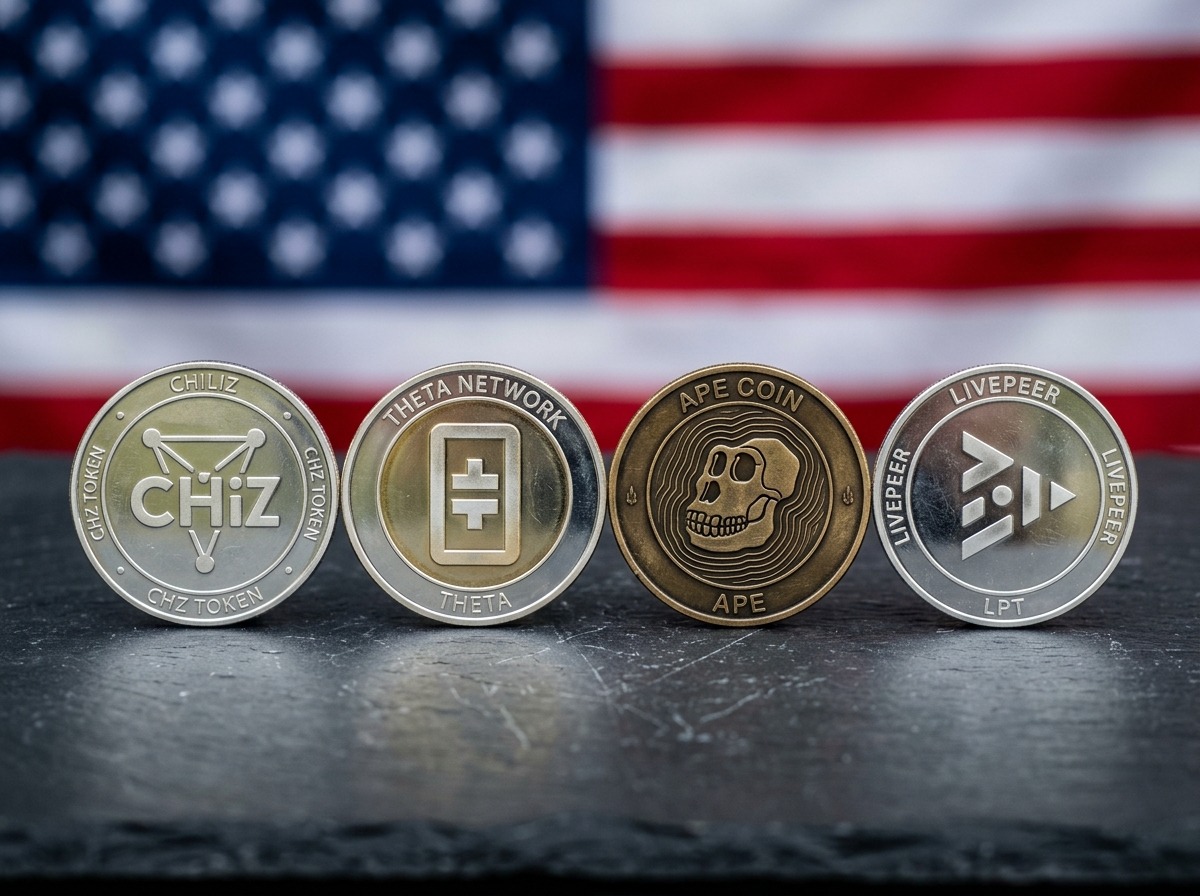
The burgeoning crypto-entertainment sector is characterized by a diverse array of tokens, each designed to power specific functionalities within the digital entertainment ecosystem. As of April 2026, these tokens are not just speculative assets but functional components of Web3 experiences.
Chiliz (CHZ) stands out as a leading entertainment cryptocurrency with a market cap of $382.1 million. It primarily focuses on fan engagement through its Socios.com platform, allowing sports teams and entertainment brands to issue fan tokens. These tokens grant holders voting rights in club decisions, access to exclusive content, and unique rewards, effectively gamifying fan interaction and creating a new layer of direct engagement between fans and their favorite entities.
Theta Network (THETA), with a market cap of $154.51 million, is revolutionizing decentralized video streaming. Its core utility lies in enabling users to share their excess bandwidth and computing resources to relay video streams, earning THETA tokens in return. This peer-to-peer network aims to deliver higher quality video streams at lower costs, challenging traditional centralized streaming platforms and ensuring creators receive a larger share of revenue.
ApeCoin (APE), while not explicitly listed with market cap here, is a prominent token within the Web3 and metaverse space, particularly associated with the Bored Ape Yacht Club (BAYC) ecosystem. It serves as a governance token for the ApeCoin DAO and is used for payments, staking, and accessing exclusive services and experiences within the broader Ape ecosystem, including metaverse projects and gaming initiatives. It embodies the integration of community, ownership, and utility in Web3 entertainment.
Livepeer (LPT), with a market cap of $103.78 million, provides a decentralized video transcoding network. It allows developers to integrate live and on-demand video into their applications without relying on expensive, centralized infrastructure. By leveraging a global network of node operators, Livepeer offers a cost-effective and scalable solution for video processing, essential for the growth of decentralized streaming and user-generated content platforms.
These tokens, alongside others, are driving the decentralized streaming revolution. They enable token-gated content, where access to exclusive shows or live events is granted only to token holders. They facilitate direct creator payments via smart contracts, cutting out intermediaries and ensuring artists retain more of their earnings. Furthermore, these tokens often play a role in DAO governance, allowing communities to collectively decide on content curation, platform development, and resource allocation, truly empowering users in the entertainment landscape.
Revolutionizing Online Casinos and Gaming Platforms
The online casino and gambling sector is undergoing a profound transformation thanks to cryptocurrency and blockchain technology. This integration is not just about alternative payment methods; it’s about fundamentally reshaping trust, transparency, and user experience.
One of the most significant innovations is the concept of provably fair systems. Unlike traditional online casinos where game outcomes are generated by opaque, centralized algorithms, crypto casinos leverage blockchain to allow players to independently verify the fairness of every game. This is achieved by publishing cryptographic hashes of game seeds before a round begins, enabling players to confirm that the results were not manipulated. This transparency builds a level of trust that traditional systems struggle to match.
Crypto casinos also offer enhanced anonymity and privacy. Players can deposit and withdraw funds without needing to reveal sensitive personal or banking details, often requiring only a digital wallet address. This appeals to users who prioritize data security and discretion. Furthermore, the use of cryptocurrencies often translates to lower transaction fees and instant withdrawals, bypassing the delays and costs associated with traditional banking systems. This convenience is a major draw for gamers looking for seamless experiences. Platforms like Betus crypto iGaming exemplify how these benefits are being integrated into the online gambling experience, offering faster, more transparent, and globally accessible gaming.
Smart contracts play a crucial role here, automating payouts and ensuring that winnings are transferred directly and fairly to players without any third-party intervention. The adoption of multi-chain support, including faster and cheaper networks like Solana and the integration of stablecoins (such as USDT), further enhances user flexibility and reduces volatility risks, making crypto gambling more accessible and user-friendly. The rise of no-deposit bonuses and exclusive games tailored for crypto users further incentivizes adoption, creating a dynamic and competitive landscape that is revolutionizing online entertainment.
Security and Privacy in Cryptocurrency and Online Entertainment
While cryptocurrency offers immense benefits, it also introduces unique security risks and challenges within entertainment ecosystems. Protecting user assets and data is paramount for widespread adoption.
Security Risks:
- Wallet Vulnerabilities: Private keys, if compromised, can lead to irreversible loss of funds and assets. Phishing attacks targeting wallet credentials remain a significant threat.
- Smart Contract Bugs: Flaws in smart contract code can be exploited by malicious actors, leading to hacks, loss of funds, or unfair game outcomes.
- Platform Hacks: Centralized exchanges or platforms holding user funds can be targets for cyberattacks.
- Scams and Rug Pulls: The nascent nature of Web3 allows for fraudulent projects, especially in P2E games or NFT drops, where developers disappear with investor funds.
- Volatility: While not a direct security risk, the fluctuating value of cryptocurrencies can impact the real-world value of in-game assets or earnings, posing a financial risk to users.
Mitigation Strategies:
- Two-Factor Authentication (2FA) and Multi-Signature Wallets:Implementing 2FA adds an extra layer of security, while multi-sig wallets require multiple approvals for transactions, significantly reducing the risk of unauthorized access.
- Smart Contract Audits: Rigorous third-party audits of smart contract code are essential to identify and rectify vulnerabilities before deployment.
- User Education: Empowering users with knowledge about phishing, secure private key management, and identifying legitimate projects is crucial.
- KYC/AML Compliance: For regulated platforms, Know Your Customer (KYC) and Anti-Money Laundering (AML) procedures help prevent illicit activities and enhance trust.
- Data Minimization and Encrypted Transactions: Blockchain inherently offers pseudonymity, and platforms can further enhance privacy by minimizing the collection of personal data and using encrypted communication channels.
- Regular Security Updates: Keeping gaming software, wallets, and platform infrastructure updated with the latest security patches is vital to counter evolving threats.
- Risk Management: For platforms, this includes robust fraud detection systems, while for users, it involves diversifying holdings and understanding the inherent volatility of crypto assets.
By proactively addressing these challenges, the crypto-entertainment ecosystem can build a more secure and trustworthy environment for its users, fostering greater adoption and long-term sustainability.
Future Trends: Metaverse, Web3, and Regulatory Shifts
The intersection of cryptocurrency and online entertainment is poised for even more transformative changes, driven by emerging technologies and evolving regulatory frameworks. We are witnessing the dawn of truly immersive, interconnected digital experiences.
- Metaverse Integration: The metaverse is rapidly becoming a key frontier. Virtual worlds, social hubs, and digital economies are converging, creating persistent, shared online spaces where users can interact, play, and transact using cryptocurrencies and NFTs. This integration will allow for seamless transfer of digital identities and assets across different metaverse platforms, fostering a truly interconnected digital existence.
- VR/AR Gaming: Virtual and Augmented Reality gaming will become increasingly intertwined with crypto. Imagine owning an NFT avatar that you can use across various VR games, or AR experiences that incorporate blockchain-backed digital collectibles in the real world. This will deepen immersion and give players true ownership within these new realities.
- Web3 Ecosystems: The broader Web3 vision, where users own their data and digital assets, and decentralized applications (dApps) replace centralized services, will continue to mature. This will lead to more user-centric entertainment platforms, governed by communities through DAOs, rather than corporations. The focus will shift towards creating open, interoperable ecosystems where creativity and participation are directly rewarded.
- Regulatory Landscape: As cryptocurrency adoption grows, so too does the need for clear regulatory frameworks. In 2026, we see an evolving landscape, with regions like the EU implementing comprehensive regulations like MiCA (Markets in Crypto-Assets), aiming to provide legal clarity and consumer protection. Other regions are developing their own approaches, leading to a patchwork of regulations that entertainment platforms must navigate. This regulatory clarity, while challenging, is essential for mainstream adoption and institutional confidence. The broader implications of Cryptocurrency in entertainment will increasingly be shaped by these global policy decisions.
- Gamification Psychology: The gamification of cryptocurrencies will continue to evolve, with deeper understanding of user motivations. Research indicates that participants are driven by both perceived enjoyment and perceived profitability. Future designs will aim to strike a balance, creating engaging experiences that offer genuine fun while providing opportunities for economic reward, mitigating the risks of financial exploitation seen in early P2E models.
- Layer-2 Scaling Solutions: To handle the high transaction volumes required by popular games and entertainment platforms, Layer-2 scaling solutions like Arbitrum and Optimism will become even more critical. These technologies enable faster and cheaper transactions on top of main blockchains like Ethereum, making crypto interactions seamless and cost-effective for everyday users, removing a significant barrier to mass adoption.
Frequently Asked Questions about Cryptocurrency and Online Entertainment
How does blockchain ensure fairness in online gaming?
Blockchain ensures fairness through “provably fair” systems. These systems use cryptographic algorithms to generate game outcomes in a transparent and verifiable manner. Before a game begins, a cryptographic hash of the outcome-generating seed is provided to the player. After the game, the full seed is revealed, allowing the player to independently verify that the outcome was indeed random and not manipulated. Additionally, smart contracts automate game logic and payouts, removing human intervention and ensuring rules are executed exactly as coded on an immutable public ledger.
What are the primary benefits of using cryptocurrency for digital content?
The primary benefits include true digital ownership of assets (via NFTs), enabling players and consumers to own and trade their digital items with real-world value. It facilitates direct payments to creators, bypassing intermediaries and ensuring artists receive a larger share of revenue. Cryptocurrency also offers global accessibility, allowing seamless transactions across borders with lower fees and faster processing times than traditional banking. Furthermore, it fosters new monetization models like play-to-earn, token-gated content, and community-driven governance, empowering users and creators alike.
How is the regulatory landscape changing for crypto-entertainment in 2026?
In 2026, the regulatory landscape for crypto-entertainment is rapidly evolving towards greater clarity and oversight. Jurisdictions globally are developing specific frameworks, such as the EU’s MiCA regulation, to address digital assets, stablecoins, and crypto service providers. This means entertainment platforms integrating crypto are increasingly subject to licensing requirements, consumer protection laws, and Anti-Money Laundering (AML) and Know Your Customer (KYC) regulations. While this introduces compliance challenges, it also fosters legitimacy and trust, paving the way for broader institutional and mainstream adoption. The focus is on balancing innovation with investor protection and financial stability.
Conclusion
As we look at the landscape of online entertainment in April 2026, it’s clear that cryptocurrency and blockchain technology have moved beyond mere novelty to become foundational infrastructure. The initial hype has settled, giving way to practical applications that are reshaping how we interact with digital content. We’ve seen the market mature, with significant investments from major players like POP Culture Group, and a clear trajectory for continued growth in mobile gaming and beyond.
The core technologies—smart contracts, decentralized ledgers, and wallet-based identities—are empowering users with true asset ownership, transparent transactions, and unprecedented control over their digital experiences. From the player-driven economies of Axie Infinity and The Sandbox to the fan engagement fostered by Chiliz and the decentralized streaming of Theta Network, crypto is creating new paradigms for monetization and community building. Online casinos are leveraging provably fair systems for enhanced trust, while the broader Web3 vision promises a more user-centric, interoperable future.
While challenges related to security, volatility, and regulatory navigation persist, the industry is actively developing robust mitigation strategies. The future points towards seamless metaverse integration, immersive VR/AR gaming, and increasingly sophisticated Web3 ecosystems. The journey of cryptocurrency in entertainment is one of continuous innovation, promising a more engaging, equitable, and economically vibrant digital world for us all.
- The Intersection of Cryptocurrency and Digital Entertainment
- What You Need to Know About the Future of Cryptocurrency IRAs
- Choosing the Right Ingredients for Soap Making
- Understanding Urlwo: The Future of Clean Links and Smart URL Management
- AC Milan vs SSC Bari Timeline: A Complete Historical and Analytical Journey