
Fascisterne is a term that refers to people, movements, or groups connected to fascism. While the word itself comes from European languages, the ideas behind fascisterne have had a global impact, including strong lessons for the United States. Fascisterne are associated with an authoritarian political system where power is highly centralized, dissent is suppressed, and the state is placed above individual freedom.
Understanding fascisterne is not just about studying the past. It is about learning how certain political ideas rise, how they affect society, and how democratic systems can protect themselves. This article explains fascisterne in very simple English, using clear examples, original analysis, and modern context. It goes beyond surface-level summaries and focuses on meaning, causes, consequences, and long-term lessons.
The goal is to help readers clearly understand what fascisterne represents, why it emerged, how it operated, and why awareness still matters today.
What Does Fascisterne Mean
Fascisterne is commonly used to describe followers or supporters of fascism. Fascism is a political ideology that promotes strong centralized authority, strict control over society, and loyalty to the nation or state above all else.
Fascisterne believe that the country should be unified under one strong leader or party. They often reject democracy, free elections, and open debate. Instead, they support control, discipline, and obedience.
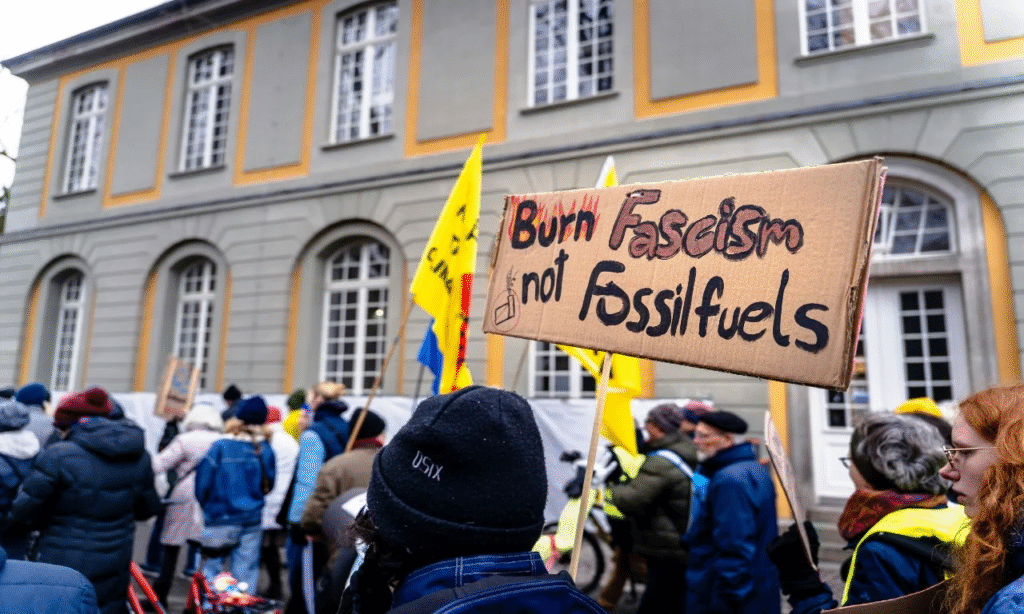
Unlike political systems that value individual rights, fascisterne place the needs of the state first. Personal freedom, free speech, and opposition are seen as threats rather than strengths.
The Origins of Fascisterne
The rise of fascisterne is closely linked to social and economic crisis. Fascism first appeared in Europe after World War I, during a time of deep instability.
Many countries faced high unemployment, poverty, and political chaos. People felt fear, anger, and loss of identity. Fascisterne movements promised order, strength, and national pride.
Also read:MataRecycler: A Complete and Updated Guide to Smart Recycling and Sustainable Innovation
In Italy, fascism rose under Benito Mussolini. In Germany, a similar ideology developed under Adolf Hitler. While these movements had local differences, they shared core beliefs about power, control, and national identity.
Fascisterne gained support by offering simple answers to complex problems. They blamed minorities, political opponents, and outside forces for national suffering.
Core Beliefs of Fascisterne
Fascisterne ideology is built on several key beliefs that define how it operates.
Strong leadership is central. Fascisterne support a single leader who represents the nation and has near-total authority.
Nationalism plays a major role. The nation is viewed as superior, and loyalty to it is demanded from all citizens.
Opposition is rejected. Fascisterne see political opponents, journalists, and activists as enemies of the state.
Violence and force are often accepted as tools to maintain control and silence dissent.
Individual rights are minimized. Personal freedom is considered less important than national unity and obedience.
These beliefs create a system where questioning authority is dangerous and conformity is rewarded.
How Fascisterne Gained Power
Fascisterne rarely came to power overnight. They often used legal systems and public support to gain control.
They participated in elections while attacking democratic institutions from within. Once in power, they weakened courts, limited the press, and removed political rivals.
Fear played a major role. Fascisterne used propaganda to create a sense of danger and urgency. People were told that only strong leadership could save the nation.
Economic hardship also helped. When people struggle to survive, they may support extreme solutions.
This pattern shows that fascisterne often rise during times of crisis rather than stability.
Fascisterne and Propaganda
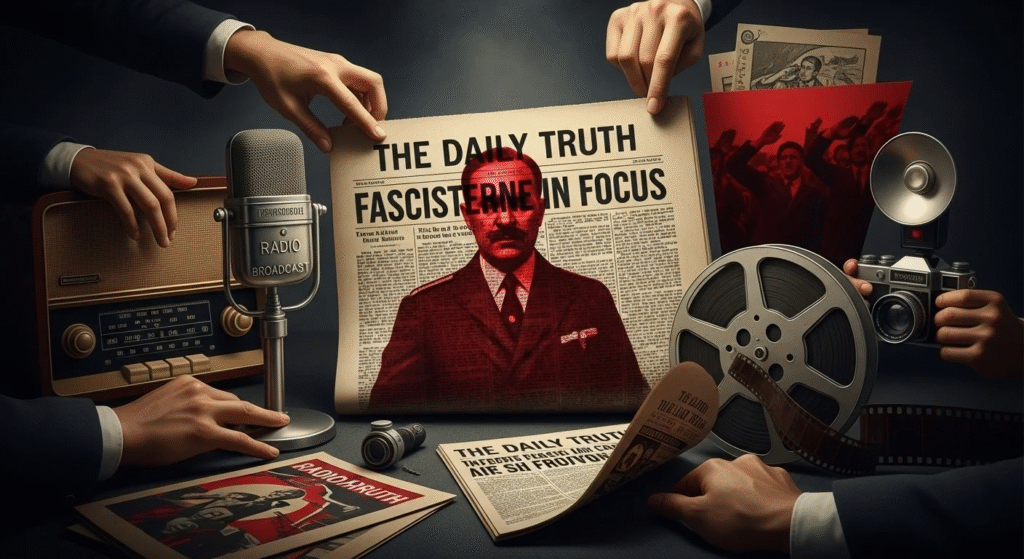
Propaganda is one of the most powerful tools used by fascisterne. It shapes how people think, feel, and react.
Fascisterne-controlled governments used newspapers, radio, posters, and public events to spread their message. They repeated simple slogans and emotional stories.
The goal was not truth but loyalty. Facts that challenged the narrative were ignored or punished.
Propaganda created an “us versus them” mindset. Supporters were told they were patriots. Critics were labeled as traitors.
This constant messaging made it harder for people to think independently.
The Role of Fear in Fascisterne Systems
Fear is central to how fascisterne maintain power. People are made to fear enemies, chaos, and punishment.
Secret police, surveillance, and harsh laws create an atmosphere of control. Even those who privately disagree may stay silent to protect themselves.
Fear also keeps people dependent on the state. When danger feels constant, strong authority can seem comforting.
This is one of the most damaging effects of fascisterne rule. It changes how people relate to each other and to power.
Fascisterne and the Suppression of Dissent
In fascisterne systems, disagreement is not seen as healthy. It is seen as a threat.
Also read:Giniä: A Complete and Updated Guide to Meaning, Use, and Modern Significance
Free speech is restricted. Newspapers, books, and schools are controlled by the state.
Artists, teachers, and writers are pressured to follow official ideas. Those who refuse may be punished or removed.
Peaceful protest is often banned. Political opponents may be arrested or forced into exile.
This suppression weakens society over time. Without open debate, mistakes go unchallenged and power becomes unchecked.
Impact of Fascisterne on Society
The social impact of fascisterne rule is deep and long-lasting.
Communities become divided. Trust between neighbors can disappear.
Minority groups are often targeted and blamed for national problems. This can lead to discrimination, violence, and even genocide.
Education becomes a tool for ideology rather than learning. Children are taught obedience instead of critical thinking.
Economic systems may be controlled to serve the state rather than the people.
These effects can last generations, even after fascisterne regimes fall.
Fascisterne and War
Many fascisterne movements glorify war. They see conflict as a way to prove national strength.
Military power is celebrated. Peace is often portrayed as weakness.
This mindset played a major role in the outbreak of World War II. Fascisterne governments pursued expansion and domination.
The cost was enormous. Millions of lives were lost, and entire regions were destroyed.
This history shows how dangerous unchecked power and extreme nationalism can be.
Why Fascisterne Eventually Fell
Despite their control, fascisterne systems often collapse.
Internal corruption weakens leadership. Decisions made without accountability lead to failure.
Economic strain grows as resources are directed toward military and control rather than public welfare.
Public support fades when promises are not fulfilled.
External pressure, including war or international opposition, can accelerate collapse.
The fall of fascisterne regimes shows that fear-based systems are unstable in the long run.
Lessons Fascisterne Teach Modern Democracies
The history of fascisterne offers important lessons, especially for democratic societies like the United States.
Democracy requires active participation. Silence and apathy create space for extremism.
Free press and independent courts are essential protections.
Economic fairness reduces the appeal of extreme solutions.
Education that promotes critical thinking helps people resist propaganda.
These lessons remain relevant today.
Fascisterne in Modern Discussions
Today, the term fascisterne is often used in discussions about authoritarian behavior, political extremism, and threats to democracy.
It is important to use the term carefully and accurately. Not every strong opinion or policy is fascism.
Also read:Trucofax: A Complete and Updated Guide to the Modern Business Communication Tool
True fascisterne ideology involves rejecting democracy, suppressing opposition, and concentrating power.
Understanding these distinctions helps keep public debate honest and informed.
The Importance of Historical Awareness
History is not just about the past. It shapes how societies respond to challenges.
When people understand fascisterne history, they are better prepared to recognize warning signs.
This awareness supports democratic values and protects individual rights.
Ignoring history allows harmful patterns to repeat.
Why Fascisterne Still Matter Today
Fascisterne matter today because the conditions that allowed them to rise can appear again.
Economic stress, social division, and fear can exist in any society.
Democratic systems are strong, but not automatic. They require care and defense.
By studying fascisterne, people learn how fragile freedom can be.
Ethical Responsibility and Civic Awareness
Citizens have a responsibility to stay informed and engaged.
Voting, education, and open dialogue help prevent authoritarian ideas from spreading.
Respect for differences strengthens society.
Fascisterne history shows what happens when power is left unchecked.
FAQs About Fascisterne
What does fascisterne mean in simple terms?
Fascisterne refers to people or groups who support fascist ideas like strong control, one leader, and limited freedom.
Are fascisterne the same as all right-wing movements?
No, fascisterne represent extreme authoritarian beliefs and should not be confused with all conservative or right-wing views.
Can fascisterne ideas exist in democratic countries?
Yes, elements can appear, but strong democratic institutions help prevent full authoritarian control.
Why do people support fascisterne movements?
Support often comes from fear, economic hardship, or a desire for order during unstable times.
How can societies protect themselves from fascisterne ideology?
Education, free speech, fair laws, and active civic participation are key protections.
Conclusion
Fascisterne represents one of the most serious warnings in modern political history. It shows how fear, nationalism, and unchecked power can damage societies from within. By understanding what fascisterne means, how it rises, and why it fails, people gain valuable insight into protecting freedom and democracy.
This topic is not only historical. It is a reminder that values like openness, accountability, and respect must be actively maintained. Knowledge, awareness, and responsibility are the strongest defenses against the return of authoritarian ideas.