

Beit Bart is more than just a name. It represents a powerful blend of heritage, tradition, shared values, and community life. For many people, beit bart stands as a reminder of how culture, history, and human connection can come together in one meaningful concept. While some names fade with time, beit bart continues to grow in relevance because it adapts while still respecting its roots.
In today’s fast-moving world, people often look for identity, belonging, and authenticity. Beit bart answers these needs by offering a space, idea, or institution that feels grounded and human. This article explores beit bart in depth, covering its origins, meaning, cultural importance, modern interpretations, and future relevance. The goal is to provide a complete, easy-to-read, and trustworthy guide that goes beyond what is currently available online.
The Meaning of Beit Bart
The term beit bart can be understood by breaking it into parts. In many cultural and linguistic traditions, “beit” often refers to a house, home, or place. It suggests shelter, gathering, and belonging. “Bart,” depending on interpretation, can relate to a family name, lineage, or symbolic identity.
Together, beit bart can be understood as “the house of Bart” or “the place of Bart,” but its meaning goes far beyond a literal translation. It reflects the idea of a shared space where people come together, honor traditions, and build relationships.
Beit bart is not limited to one strict definition. That flexibility is part of its strength. For some, it is a physical place. For others, it is a cultural idea, a community project, or a shared identity.
Historical Roots of Beit Bart
Beit bart has deep roots that go back many generations. Historically, places like beit bart were central to community life. They were spaces where families gathered, elders shared wisdom, and traditions were passed down.
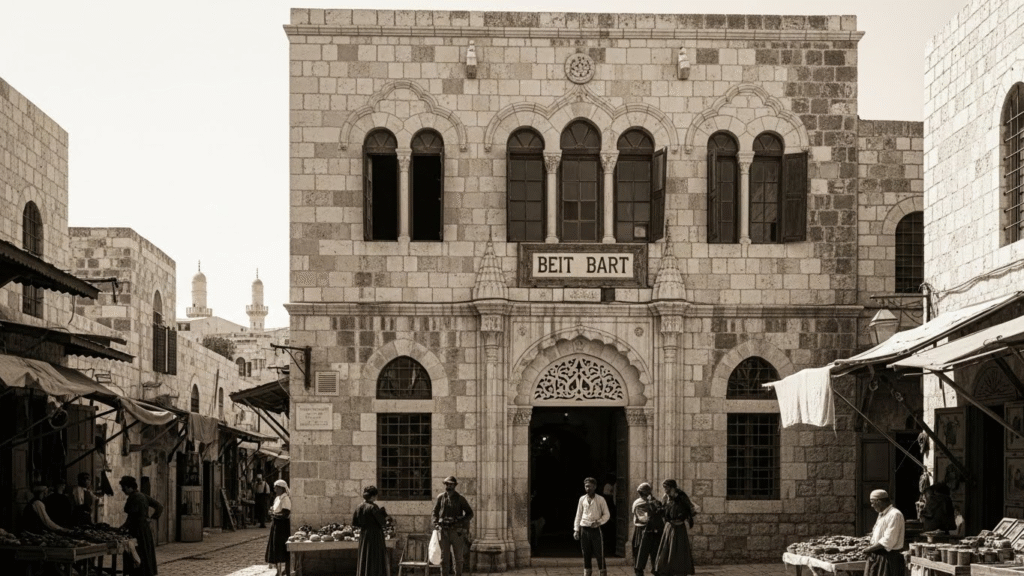
In earlier times, life was more local. People depended on each other for survival, learning, and emotional support. Beit bart served as a stable center in this environment. It was a place where decisions were made, conflicts were resolved, and celebrations took place.
The historical importance of beit bart lies in its role as a bridge between generations. It connected the past to the present, ensuring that values and customs were not lost.
Cultural Significance of Beit Bart
Culture lives through people, stories, and shared spaces. Beit bart plays a major role in preserving and expressing culture. It acts as a container for rituals, language, music, food, and social norms.
In many communities, beit bart is where cultural identity feels strongest. People feel free to express who they are without fear of judgment. This sense of safety allows culture to grow instead of disappearing.
Beit bart also helps culture evolve. While it respects tradition, it does not reject change. New ideas can enter beit bart and blend with old ones, creating a living culture rather than a frozen one.
Beit Bart as a Community Space
One of the most important aspects of beit bart is its role as a community space. Humans are social by nature. We need places where we can meet, talk, and feel connected.
Also Read: Winnoise: The Complete Guide to the Interactive Future of Movie Watching
Beit bart provides this connection. It encourages participation instead of isolation. People do not just visit beit bart; they become part of it. This sense of ownership strengthens relationships and builds trust.
In modern society, many people feel lonely despite being constantly connected online. Beit bart offers a solution by bringing people together in a meaningful way. It reminds us that real connection requires shared experiences and physical or emotional presence.
Spiritual and Emotional Dimensions of Beit Bart
For many, beit bart has a spiritual or emotional meaning. It can be a place of reflection, prayer, or inner peace. Even for those who are not religious, beit bart often provides a sense of calm and purpose.
Emotionally, beit bart represents stability. In times of change or stress, people return to beit bart for comfort. It becomes a symbol of continuity in an uncertain world.
This emotional connection explains why beit bart holds such a strong place in people’s hearts. It is not just useful; it is meaningful.
Beit Bart in the Modern World
The modern world is very different from the past, but beit bart remains relevant. Today, beit bart may appear in new forms such as cultural centers, community organizations, educational spaces, or even digital platforms.
Modern beit bart often focuses on inclusion. It welcomes people from different backgrounds while still honoring its core values. This balance helps beit bart stay relevant without losing its identity.
Technology has also influenced beit bart. Online communities inspired by beit bart values now exist, allowing people to connect across distances. While these digital spaces are different from traditional ones, they still reflect the spirit of beit bart.
Beit Bart and Identity
Identity is shaped by where we come from and who we share our lives with. Beit bart plays a key role in identity formation. It helps individuals understand their place in a larger story.
For younger generations, beit bart can be a source of learning. It teaches them about history, values, and responsibility. For older generations, it provides a way to pass on knowledge and stay connected.
Beit bart also allows people to explore identity safely. Questions about belonging, purpose, and values can be discussed openly within its supportive environment.
Educational Role of Beit Bart
Education in beit bart goes beyond books and classrooms. It is based on experience, dialogue, and mentorship. Learning happens naturally through participation and observation.
Beit bart often supports informal education, such as storytelling, skill-sharing, and cultural instruction. This type of learning feels personal and relevant.
In a time when education can feel impersonal, beit bart reminds us that learning is most powerful when it is connected to real life and real people.
Also Read: Duaction: A Complete Guide to the Concept of Duality and Action in Modern Life
Social Values Promoted by Beit Bart
Beit bart promotes important social values such as respect, cooperation, and responsibility. These values are not taught through rules alone but through daily practice.
People learn how to listen, share, and support each other within beit bart. Conflicts are addressed through conversation rather than avoidance.
These values extend beyond beit bart into the wider society. People who grow up with beit bart values often carry them into their workplaces, families, and communities.
Beit Bart and Intergenerational Connection
One of the unique strengths of beit bart is its ability to connect different generations. In many modern settings, age groups are separated. Beit bart brings them together.
Elders offer wisdom and experience. Younger people bring energy and new ideas. This exchange benefits everyone.
Intergenerational connection also reduces misunderstanding and fear. It builds empathy and respect across age groups.
Economic and Practical Aspects of Beit Bart
While beit bart is deeply cultural and emotional, it also has practical value. It can support local economies by hosting events, supporting small businesses, or providing shared resources.
In some cases, beit bart acts as a hub for social services or mutual aid. People help each other find jobs, solve problems, or access support.
This practical role strengthens the community and makes beit bart even more valuable.
Challenges Facing Beit Bart Today
Despite its strengths, beit bart faces challenges. Modern life is busy, and people have less time for community involvement. Urbanization and mobility can weaken long-term connections.
There is also the risk of beit bart becoming exclusive or resistant to change. When tradition is protected too rigidly, it can push people away.
To survive, beit bart must remain open, flexible, and welcoming while staying true to its core values.
How Beit Bart Can Adapt for the Future
Adaptation is key to the future of beit bart. This does not mean abandoning tradition but reinterpreting it.
Beit bart can use technology to reach more people. It can partner with schools, nonprofits, and local governments. It can also address modern issues such as mental health, diversity, and sustainability.
By responding to real needs, beit bart stays alive and meaningful.
Beit Bart as a Model for Community Building
Beit bart offers a strong model for building healthy communities. Its focus on belonging, shared values, and active participation can inspire other initiatives.
In a divided world, beit bart shows that unity does not require sameness. People can be different and still belong together.
This model is especially valuable in the United States, where communities are diverse and often fragmented.
Why Beit Bart Matters Today
In a world focused on speed, profit, and individual success, beit bart reminds us of deeper values. It emphasizes connection over competition and meaning over convenience.
Beit bart matters because it meets basic human needs that technology and markets cannot fully satisfy. It offers belonging, purpose, and continuity.
For many people, beit bart is not optional; it is essential.
Beit Bart in a Global Context
While beit bart may have specific cultural roots, its core ideas are universal. Similar concepts exist in many cultures around the world.
This universality allows beit bart to connect with global audiences. People from different backgrounds can understand and appreciate its values.
In this way, beit bart contributes to cross-cultural understanding and respect.
Also Read: Antarvacna: Complete Guide to Self-Awareness, Mindfulness, and Personal Growth
Future Vision of Beit Bart
The future of beit bart depends on people. As long as individuals value connection and tradition, beit bart will continue.
The next generation will shape beit bart in new ways. They may create new forms, languages, or practices, but the heart of beit bart will remain the same.
This living evolution ensures that beit bart is not just a memory but a future-oriented concept.
Conclusion
Beit bart is more than a historical idea or cultural label. It is a living, adaptable, and deeply human concept. Rooted in heritage and tradition, beit bart continues to offer value in the modern world.
By promoting community, identity, learning, and trust, beit bart addresses some of the most important challenges of our time. Its strength lies in its balance between past and future, tradition and change.
For anyone seeking meaning, belonging, or connection, beit bart remains a powerful and relevant answer.
Frequently Asked Questions About Beit Bart
What makes beit bart different from other community spaces?
Beit bart is different because it combines cultural heritage, emotional connection, and shared responsibility in one place. It is not just functional but meaningful.
Can beit bart exist without a physical building?
Yes, beit bart can exist as an idea or network. While physical space is important, the true essence of beit bart lies in relationships and shared values.
Is beit bart only for people from a specific background?
No, beit bart can welcome people from many backgrounds. Inclusion and openness are essential to its long-term success.
How can young people get involved in beit bart?
Young people can participate by attending events, sharing ideas, volunteering, and learning from elders. Their involvement helps beit bart stay relevant.
Can beit bart help with modern social problems?
Yes, beit bart can address issues like loneliness, cultural loss, and lack of trust by providing support, dialogue, and connection.
How does beit bart stay relevant over time?
Beit bart stays relevant by adapting to change while holding onto its core values. Listening to community needs is key.
Is beit bart connected to religion?
Beit bart can have spiritual elements, but it is not limited to religion. Its focus is on community and shared meaning.
Why is beit bart important for future generations?
Beit bart helps future generations understand where they come from and how to live together with respect and purpose.