

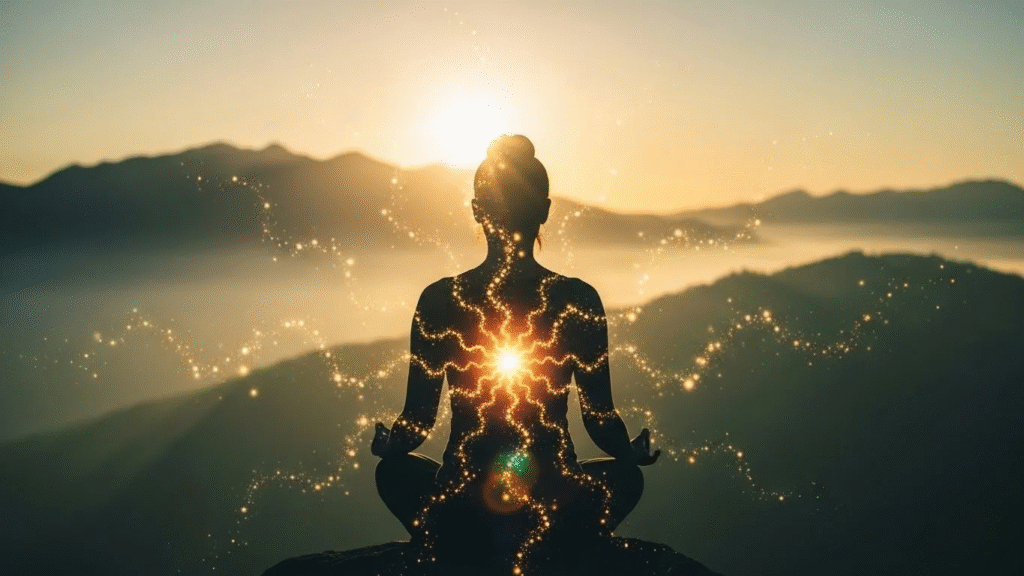
Antarvacna is a term rooted in spiritual and meditative traditions that emphasizes self-awareness, mindfulness, and inner exploration. It is a holistic practice that encourages individuals to look inward, observe their thoughts, and cultivate a deeper understanding of themselves. Over time, this approach has been adapted in modern wellness, mental health, and self-development programs.
The practice of antarvacna goes beyond simple meditation. It combines breath control, focused attention, self-reflection, and mindfulness techniques to help individuals reduce stress, improve mental clarity, and achieve emotional balance. By understanding the principles of antarvacna, practitioners can gain insight into their behaviors, emotions, and thought patterns, which can lead to a more purposeful life.
Origins and Meaning of antarvacna
The word antarvacna can be loosely translated to mean “inner conversation” or “internal reflection”. It is believed to originate from ancient traditions of self-inquiry and spiritual mindfulness, where individuals sought to connect with their inner selves through quiet observation and intentional thought processes.
The roots of antarvacna emphasize:
• Self-awareness and introspection
• Mindfulness of one’s thoughts and emotions
• Conscious engagement with the present moment
Historically, it has been practiced in various forms across different cultures, often tied to meditation, yoga, and spiritual development.
Also read:Blazertje: The Modern Casual Blazer Redefined for Everyday Style

Core Principles of antarvacna
Practicing antarvacna effectively requires understanding its fundamental principles. These principles are designed to train the mind, improve focus, and enhance emotional resilience. The core principles include:
Self-Awareness
Self-awareness is the ability to observe your thoughts, feelings, and reactions without judgment. Antarvacna encourages individuals to notice patterns in their thinking and behavior.
Mindfulness
Mindfulness is the practice of being fully present in the moment, observing your surroundings, emotions, and bodily sensations without distraction. Antarvacna uses mindfulness as a tool to calm the mind and enhance focus.
Breath Control
Breath awareness or pranayama is a common technique in antarvacna. By focusing on slow, deliberate breathing, practitioners can regulate emotions, reduce stress, and maintain mental clarity.
Inner Reflection
Antarvacna emphasizes reflective thinking, where individuals examine their beliefs, actions, and motivations. This reflection helps identify areas for personal growth and encourages positive decision-making.
Popular Techniques in antarvacna Practice
There are multiple techniques used in antarvacna. Each technique targets a specific aspect of mental clarity, emotional balance, or self-awareness.
Breathing Techniques
Breathing exercises are foundational in antarvacna. Examples include:
• Deep diaphragmatic breathing for relaxation
• Alternate nostril breathing to balance energy
• Counting breaths to improve concentration
These exercises help reduce stress, calm the nervous system, and increase mental focus.
Meditation and Visualization
Meditation is a key practice in antarvacna. Techniques include:
• Silent meditation to observe thoughts
• Guided visualization to explore emotions
• Mindful observation of surroundings
Meditation helps practitioners gain insight into subconscious patterns and strengthen self-control.
Journaling and Self-Reflection
Writing thoughts and emotions in a journal can enhance self-awareness. Antarvacna uses journaling to:
• Record insights from meditation
• Track emotional patterns
• Analyze recurring thoughts or behaviors
This practice allows individuals to recognize triggers, reinforce positive habits, and let go of negative thought cycles.
Also read:Tek-102: The Complete Guide to Advanced Technology and Smart Performance
Mindful Movement
Some antarvacna techniques incorporate movement to connect the body and mind. This includes:
• Yoga poses with focused awareness
• Walking meditation
• Gentle stretching combined with breath focus
Mindful movement reduces physical tension and strengthens the mind-body connection.
Benefits of Practicing antarvacna
Regular practice of antarvacna can lead to a wide range of mental, emotional, and physical benefits. Some of the key benefits include:
Mental Clarity
By observing thoughts and practicing mindfulness, antarvacna helps individuals:
• Reduce mental clutter
• Improve decision-making
• Increase concentration and focus
Emotional Balance
Antarvacna encourages awareness of emotional triggers, helping individuals respond calmly rather than react impulsively. Benefits include:
• Reduced anxiety and stress
• Enhanced emotional regulation
• Greater resilience in challenging situations
Personal Growth
Practicing inner reflection leads to:
• Better understanding of self
• Identification of limiting beliefs
• Development of positive habits and behaviors
Physical Wellbeing
Breath control and mindful movement can enhance physical health by:
• Lowering blood pressure
• Improving respiratory function
• Increasing overall energy levels
Antarvacna in Daily Life
Incorporating antarvacna into daily routines does not require hours of practice. Simple strategies include:
• Spending 5–10 minutes in mindful breathing each morning
• Observing thoughts before responding in stressful situations
• Practicing walking meditation or mindful movement
• Writing down reflections and lessons learned each evening
By integrating antarvacna into daily life, individuals can gradually develop heightened awareness and emotional intelligence.
Also read:Studiae: The Future of Smart Learning With AI-Powered Education
Common Misconceptions About antarvacna
Despite its growing popularity, some misconceptions persist:
• Antarvacna is only for spiritual or religious individuals – False; it is beneficial for anyone seeking mental clarity and self-awareness
• It requires hours of meditation daily – False; even short daily practices provide benefits
• Antarvacna is purely mental – False; it also involves body awareness and breath control
Understanding the reality helps individuals practice effectively and realistically.
Scientific Perspective on antarvacna
Although the term antarvacna is rooted in traditional practices, modern science recognizes the benefits of mindfulness, meditation, and breath control. Research shows:
• Meditation improves attention and working memory
• Mindful breathing reduces stress hormones
• Self-reflection improves emotional regulation
• Journaling enhances self-awareness and goal achievement
These findings support antarvacna as a practical tool for mental and emotional wellbeing.
Antarvacna vs Other Mindfulness Practices
| Aspect | Antarvacna | General Mindfulness |
| Focus | Inner reflection and self-awareness | Present-moment observation |
| Techniques | Breath control, meditation, journaling, movement | Meditation, breathing, yoga |
| Emotional Benefit | Deep emotional insight and self-regulation | Stress reduction and calmness |
| Practical Use | Daily life integration with self-reflection | Mainly stress management |
| Origin | Traditional spiritual and meditative roots | Broadly adopted wellness practices |
Challenges in Practicing antarvacna
Although antarvacna is beneficial, some challenges include:
• Maintaining consistency in practice
• Dealing with initial discomfort or restlessness during meditation
• Understanding and interpreting inner reflections accurately
• Avoiding overthinking during self-reflection
Solutions include starting small, using guided practices, and gradually increasing duration.
Tips for Effective Practice
To get the most from antarvacna:
• Set aside dedicated time daily
• Use a quiet, comfortable environment
• Focus on one technique at a time
• Combine journaling with meditation
• Track progress to reinforce positive changes
Consistency and patience are key for long-term transformation.
Advanced antarvacna Practices
For experienced practitioners, antarvacna can be expanded through:
• Deep visualization exercises
• Extended silent meditation retreats
• Body scanning and emotional mapping
• Integrating mindfulness into work, relationships, and daily routines
These advanced practices enhance insight, creativity, and emotional resilience.
FAQs About antarvacna
Can antarvacna help with anxiety and depression?
Yes, regular practice of meditation, breath control, and self-reflection can reduce stress, anxiety, and depressive symptoms.
How long should I practice antarvacna daily?
Even 10–15 minutes daily can provide benefits. Gradually, practice can extend to 30–60 minutes.
Do I need a teacher to learn antarvacna?
While guidance is helpful, many individuals start with self-guided meditation, journaling, and mindful breathing.
Can children practice antarvacna?
Yes, with age-appropriate guidance, children can benefit from mindfulness, reflection, and breath exercises.
Is antarvacna religious?
No, while rooted in spiritual traditions, antarvacna is suitable for anyone seeking self-awareness and mental clarity.
Does it require special equipment?
No special tools are required. Comfortable clothing, a quiet space, and a journal are enough.
Conclusion
Antarvacna is a holistic approach to self-awareness, mindfulness, and personal growth. By integrating breath control, meditation, reflection, and mindful movement, it provides mental clarity, emotional balance, and personal insight. Its techniques are accessible to beginners while offering advanced practices for experienced individuals.
Unlike many quick-fix wellness trends, antarvacna encourages consistent, reflective, and intentional practice, which promotes long-term transformation. Whether used to manage stress, enhance focus, or deepen emotional intelligence, antarvacna provides practical tools that fit into daily life and support overall well-being.
Through its combination of traditional wisdom and modern mindfulness principles, antarvacna continues to help people connect with themselves, understand their emotions, and live more purposeful lives.