

Cavazaque is a traditional Cape Verdean stew known for its simplicity, heartiness, and cultural significance. Though it is lesser known outside of Cape Verde compared with the famous cachupa, cavazaque shares many similarities with that dish and reflects the resourcefulness and culinary heritage of the Cape Verde islands. This article explains cavazaque in depth, including its origins, ingredients, preparation, cultural meaning, nutrition, variations, and practical tips for cooking at home.
The goal of this article is to be easy to read, informative, and comprehensive for a US audience. It is optimized for the keyword cavazaque and related terms to help you find the most relevant and valuable information in one place.
What Is Cavazaque?
Cavazaque is a traditional Cape Verdean stew that is typically made with affordable, readily available ingredients such as cornmeal, vegetables, beans, and sometimes meat or fish. It originated as a dish of necessity, created by families who relied on simple foods to feed their households. Over time, it became a symbol of Cape Verdean identity and resourcefulness.
At its core, the dish usually features a cornmeal base cooked into a thick porridge or mush, combined with vegetables and whatever proteins are available. The result is a hearty, filling stew that can be served as a main meal with rice, bread, or on its own.
Although mainstream sources sometimes confuse cavazaque with other Cape Verdean stews — especially cachupa — the defining characteristic of cavazaque remains its adaptability and humble origins.

The Historical Roots of Cavazaque
Cape Verde is an archipelago off the coast of West Africa with a culinary tradition shaped by its history of migration, limited agricultural resources, and cultural exchange. Corn was introduced to the islands centuries ago through Portuguese contact, becoming a central ingredient in many local dishes.
Cavazaque arose in contexts where families had to make the most of limited supplies. Cornmeal offered a filling foundation, while seasonal vegetables and occasional proteins enhanced nutrition and flavor. Over generations, this practical dish evolved into one deeply associated with comfort, family meals, and Cape Verdean culinary heritage.
In many ways, cavazaque embodies Cape Verde’s history of survival through scarcity and celebration of community and shared meals.
Core Ingredients Used in Cavazaque
Also read: Provascin: Comprehensive Guide to Heart Health Support and Supplement Science
While the exact recipe for cavazaque varies across households and islands, the foundation typically includes the following:
Cornmeal or Fuba
The heart of the dish is the cornmeal base, often referred to locally as fuba. This coarse cornmeal is cooked with water until it reaches a thick porridge or mush-like consistency, serving as both a staple and thickener for the stew.
Vegetables
A range of vegetables may be added depending on availability and season. Common choices include:
- Cabbage
- Pumpkin
- Carrots
- Onions
- Eggplant
- Chili peppers
- Leafy greens such as kale
These vegetables enhance flavor, color, and nutrition in the stew.
Beans
Beans are common additions that boost protein and texture. They also make the stew more filling.
Proteins (Optional)
Protein additions depend on local access and household preference. Typical options include:
- Chicken
- Goat
- Beef
- Fresh or dried fish
Including meat or fish elevates the dish from a basic staple to a more substantial meal.
How Cavazaque Is Traditionally Prepared
Preparing cavazaque does not require complicated steps, but it does benefit from patience and proper simmering:
- Prepare the Cornmeal Base
Cornmeal is mixed with water and cooked slowly until it becomes thick and smooth. Stir frequently to prevent lumps. - Add Vegetables and Beans
Once the cornmeal base is established, add vegetables and soaked or pre‑cooked beans to the pot. - Incorporate Proteins (Optional)
If using meat or fish, include these after the vegetables to ensure even cooking. - Season and Simmer
Season with salt, herbs, and spices according to taste. Allow the stew to simmer until all ingredients are fully cooked and flavors are melded. - Serve Warm
Cavazaque is typically served hot, with accompaniments such as rice, bread, or additional cornmeal dishes.
The simplicity of this method allows for flexibility at every step, making cavazaque both a practical everyday dish and one that can be adapted for special occasions.
Taste and Texture Profile
Cavazaque has a hearty and comforting taste. The thick cornmeal base provides a mild, slightly sweet flavor, which pairs well with the savory taste of cooked vegetables and proteins. The texture is rich and stew‑like, similar to other West African one‑pot dishes, but with a uniquely Cape Verdean character.
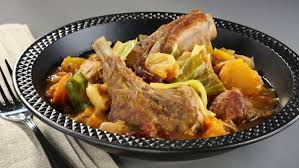
Cavazaque Compared with Cachupa
It is important to distinguish cavazaque from cachupa, Cape Verde’s most famous stew, which often appears in global food guides. Whereas cachupa is widely recognized as the national dish made from hominy corn, beans, vegetables, and meat or fish, cavazaque represents a simpler, more rustic version that may be closer to everyday cooking.
Cavazaque tends to emphasize cornmeal as a thickened base and can be more minimalist, while cachupa often includes larger chunks of hominy and a broader mix of ingredients.
Both dishes share cultural roots and culinary logic, illustrating the resourcefulness of Cape Verdean cooks who use readily available ingredients to create nourishing meals.
Also read: Everything About 8tshare6a Software: Modern File Management Made Easy
Regional and Household Variations
Cavazaque varies from one Cape Verdean community to another. Some cooks emphasize local vegetables; others add more protein or seasonings. In rural settings, the stew may remain very simple, whereas in urban households it may feature richer ingredients.
This adaptability highlights a key strength of cavazaque: its versatility across dietary preferences, budgets, and occasions. Whether made for everyday sustenance or at a family gathering, cavazaque carries both nourishment and cultural meaning.
Nutritional Value of Cavazaque
Cavazaque can be a balanced meal when ingredients are selected with nutrition in mind:
- Carbohydrates and Energy
Cornmeal provides energy and fiber. - Protein
Beans and optional meats add protein essential for body repair and muscle health. - Vitamins and Minerals
Vegetables contribute vitamins A and C, as well as other micronutrients.
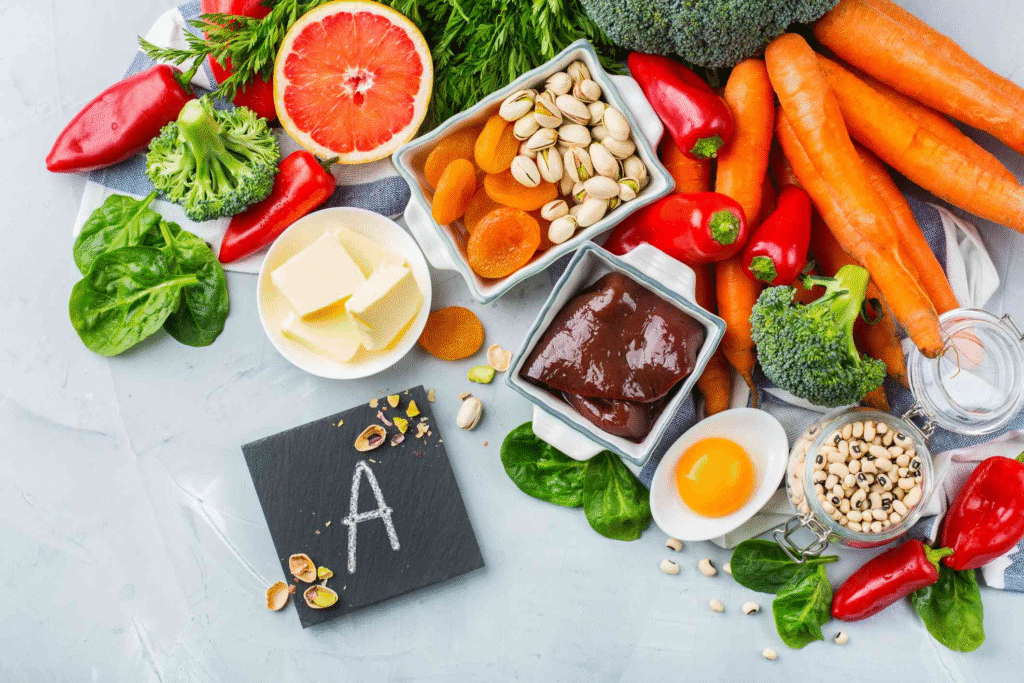
This nutritional profile makes cavazaque a practical dish for families seeking affordable yet wholesome meals.
Tips for Cooking Cavazaque at Home
If you want to prepare cavazaque in your kitchen, consider these practical tips:
- Soak Beans Before Cooking
If using dried beans, soak them overnight to reduce cooking time. - Use Fresh Vegetables
Fresh seasonals improve flavor and nutrition. - Taste As You Go
Adjust seasonings gradually to suit your palate. - Simmer Slowly
Longer simmering helps ingredients blend and develop richer taste.
Experiment with ingredient proportions to make the stew suit your taste and dietary needs.
Serving and Pairing Suggestions
Also read: Myreadignamga: A Complete Guide to the Online Manga Reading Platform for Modern Readers
Cavazaque pairs well with simple sides that complement its rich texture:
- Steamed rice
- Cornmeal cakes or bread
- Fresh salads
- Pickled vegetables
These accompaniments help balance the hearty nature of the stew and make it a complete meal.
Cavazaque in Cape Verdean Culture
Cavazaque is more than a stew; it is a reflection of community values, resilience, and shared heritage. In Cape Verde, meals are often communal events where food represents hospitality, history, and connection. Dishes like cavazaque and its more famous relative, cachupa, are served at family gatherings, celebrations, and daily meals alike.
For Cape Verdeans living abroad, preparing cavazaque can evoke nostalgia and help maintain cultural ties. The dish symbolizes home and continuity.
FAQs About Cavazaque
What exactly does cavazaque mean?
Cavazaque refers to a traditional Cape Verdean stew made with cornmeal, vegetables, and optional meat or fish. It is known for being hearty, simple, and practically adaptable.
How does cavazaque differ from cachupa?
While cavazaque uses a thick cornmeal base, cachupa typically uses whole hominy and a wider mix of ingredients, making it the more famous national dish.
Can cavazaque be made vegetarian?
Yes. Cavazaque can be made without meat or fish by focusing on cornmeal, beans, and vegetables, which makes it suitable for vegetarian diets.
Is cavazaque difficult to prepare?
No. The basic steps are straightforward: cook cornmeal into a thick base, add other ingredients, and simmer. It requires time more than complexity.
What should I serve with cavazaque?
Common accompaniments include rice, bread, cornmeal sides, and fresh salads, which help round out the meal.
Is cavazaque healthy?
Yes. When prepared with a variety of vegetables and beans, cavazaque provides carbohydrates, protein, fiber, vitamins, and minerals.
Conclusion
Cavazaque is a traditional Cape Verdean stew rooted in history and practicality. Its base of cornmeal, combined with vegetables and optional proteins, makes it both an everyday staple and a cultural emblem. Whether you are exploring new world cuisines or seeking comforting, easy‑to‑make meals, cavazaque offers a window into Cape Verde’s culinary and cultural identity.
By understanding cavazaque in its full context — from origins to kitchen tips — you can appreciate both the dish and the heritage it represents.