

Provascin is increasingly discussed in wellness and nutrition circles in the United States as a supplement associated with cardiovascular support and systemic health benefits. Unlike single‑drug therapies, provascin is positioned as a multi‑component dietary supplement that aims to help in maintaining vascular health, facilitating the removal of metabolic waste from tissues, and supporting healthy circulatory function.
This article explains what Provascin is, how it is marketed, what ingredients it typically contains, how it may work, what evidence exists regarding cardiovascular supplements, safety considerations, and practical guidance for people considering Provascin. The goal is to provide clear, easy‑to‑understand information with up‑to‑date insights that go beyond basic product descriptions.
What Is Provascin? Understanding the Supplement Category
The term “provascin” does not refer to a single standardized pharmaceutical drug approved by regulatory bodies like the U.S. Food and Drug Administration (FDA). Instead, Provascin is generally used to describe a class of dietary supplements formulated for cardiovascular and circulatory health. These supplements are marketed to support healthy blood flow, lipid (cholesterol and triglyceride) balance, and overall heart health. The specific formulation can vary from brand to brand, but most products sold under the Provascin name share a similar set of targeted benefits.
In many listings, Provascin is positioned as a nutritional support formula rather than a medical treatment. Manufacturers often describe it as helping to “remove toxic tissue waste,” support healthy cholesterol levels, improve metabolic processes, and alleviate symptoms associated with poor circulation. This positioning places Provascin in the dietary supplement category, which means it is intended to complement—but not replace—medical care for cardiovascular conditions.
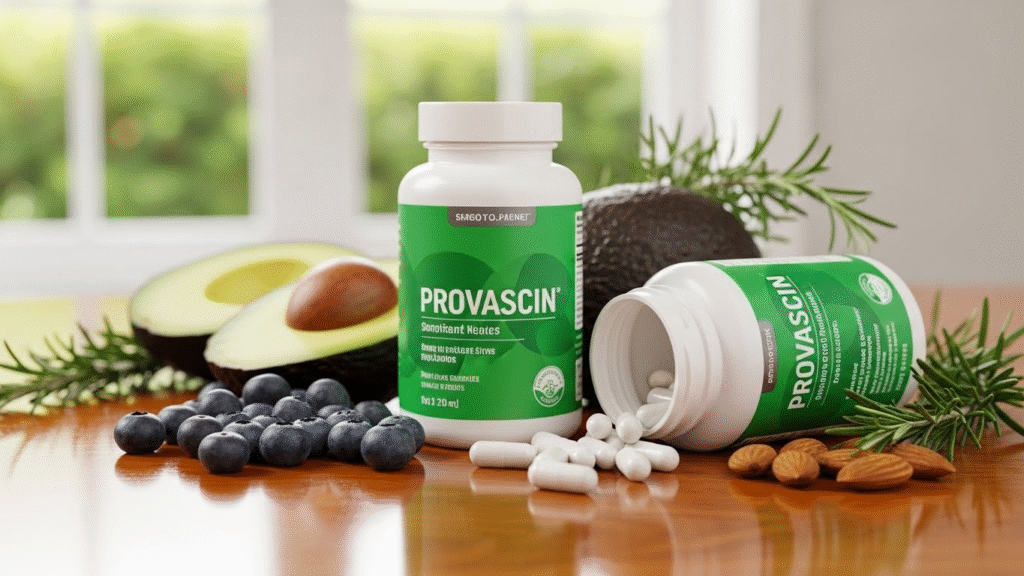
How Provascin Is Marketed and Used in Practice
Provascin is sold in capsule form and promoted for daily use. Based on product descriptions and supplement guides, users may take a set number of capsules per day, with the suggested quantity depending on whether the goal is preventive or supportive therapy for existing conditions. Dosage instructions vary between manufacturers and products, so consumers must read labels carefully.
Because Provascin is a supplement—not a prescription medication—claims about its effectiveness can sometimes be broad or non‑specific. Scientific backing for individual products is typically limited, and the product does not go through the same approval process as pharmaceuticals. This means independent research on the supplement as a whole is often sparse, and many claims rely on studies of individual ingredients rather than the combined formula itself. Nonetheless, understanding these ingredients and the evidence behind them can help consumers make informed decisions.
Also Read: Everything About 8tshare6a Software: Modern File Management Made Easy
Common Ingredients in Provascin and Their Purported Roles
While formulas differ, many Provascin products contain a mix of antioxidants, amino acids, botanical extracts, and metabolic cofactors. These ingredients are chosen for their potential roles in supporting cardiovascular function and overall well‑being:
1. L‑Carnitine
L‑Carnitine is an amino acid involved in transporting long‑chain fatty acids into mitochondria, where they are used for energy production. In heart muscle cells, efficient energy production is essential for optimal function. Some studies suggest that L‑Carnitine may support heart health by supporting metabolic processes, especially in individuals with deficiencies. In certain research, L‑Carnitine supplementation has been associated with benefits in heart disease recovery.
2. Coenzyme Q10 (CoQ10)
CoQ10 is an antioxidant that plays a key role in cellular energy production. It supports mitochondria—the energy producers in cells—and helps protect cells from oxidative damage. CoQ10 levels decline with age, and supplementation is sometimes recommended for people taking statin drugs, which can reduce natural CoQ10 levels. It may help in maintaining tissue energy and function, particularly in cardiac muscle cells.
3. Alpha Lipoic Acid
Alpha lipoic acid is both water‑ and fat‑soluble, enabling it to act as a broad‑spectrum antioxidant. It supports glucose metabolism and helps reduce oxidative stress, which in turn may support smooth vascular function. Because oxidative stress and poor glucose balance are linked to cardiovascular strain, alpha lipoic acid is included for its potential protective effects.
4. Botanicals and Antioxidant Extracts
Some Provascin formulations include plant‑based components such as grape seed extract, green tea extract, or mushroom extracts like Chaga. These are believed to deliver antioxidants that protect blood vessel walls, support metabolism, and support overall vascular health. While scientific support for some of these botanicals is mixed, antioxidants in general contribute to reducing oxidative stress—a process widely recognized as relevant in chronic disease pathways.
How Provascin Might Work in the Body
Provascin products generally aim to support cardiovascular health via multiple theoretical pathways:
- Support healthy blood flow: Enhancing circulation may ensure efficient oxygen delivery to tissues.
- Antioxidant protection: Reducing oxidative stress can protect cells and blood vessels from free radical damage.
- Metabolic support: Some components may help maintain healthy glucose and lipid metabolism, which are important markers of cardiovascular health.
- Nitric oxide pathways: Certain amino acids and extracts may influence nitric oxide availability, which plays a role in vessel dilation.
Also Read: Myreadignamga: A Complete Guide to the Online Manga Reading Platform for Modern Readers
The synergistic design of combining these ingredients reflects a holistic approach to vascular wellness, rather than acting on a single biological target. However, it is crucial to note that robust clinical trials specifically on Provascin as a product are limited. Most scientific support stems from research on specific ingredients rather than the product as a whole.
What Evidence Exists for Provascin’s Benefits?
There is no large‑scale clinical research directly validating Provascin as a branded product; however, studies on individual components provide some context:
- Antioxidants such as CoQ10 and plant polyphenols have been studied for their roles in oxidative stress reduction and heart health.
- Amino acids like L‑Carnitine have been researched for their metabolic and cardiac support functions.
- Other antioxidants may support cell protection and metabolic balance.
While these ingredients have scientific interest, it is important to recognize that individual responses vary and the effects seen in controlled research settings may not always translate directly to outcomes experienced by consumers using over‑the‑counter supplements.
Additionally, the FDA does not evaluate dietary supplements for efficacy before they are marketed, and manufacturers are responsible for ensuring safety and accurate labeling. This means that claims may not be independently verified and that product quality can vary between brands.
Safety Considerations and Interactions
Before adding Provascin or any dietary supplement to your routine, consider the following safety factors:
1. Consult a Healthcare Professional
People with existing medical conditions (such as heart disease, diabetes, or kidney or liver disorders), those taking prescription medications, or pregnant and breastfeeding individuals should consult a healthcare provider before beginning any new supplement.
2. Potential Interactions
Some ingredients common in cardiovascular supplements may interact with medications:
- CoQ10 may influence blood pressure medications.
- Botanicals like green tea extract can interact with blood thinners.
- Metabolic cofactors may affect glucose control for people with diabetes.
3. Quality and Labeling Transparency
Because dietary supplements are not held to the same pre‑approval standards as drugs, quality varies. Look for products made in facilities that follow good manufacturing practices (GMP) and have third‑party testing to verify ingredient purity and potency.
Who Might Benefit from Provascin?
While Provascin should not be seen as a replacement for medical treatment, certain people may consider it as part of a comprehensive wellness strategy:
- Individuals with borderline cardiovascular risk factors looking for nutritional support.
- People with lifestyle goals that include improved metabolism and heart health.
- Adults seeking antioxidant supplementation for overall health.
Also Read: Haxillzojid54: Ultimate Guide to AI-Powered Real-Time Analytics and Machine Learning
Importantly, supplements like Provascin are most effective when combined with healthy lifestyle habits: balanced diet, regular physical activity, smoking cessation, and stress management.
Practical Tips for Using Provascin
If you decide to use Provascin, follow these practical recommendations:
- Read the label carefully to understand the ingredients and recommended dosage.
- Start with the lowest effective dose and monitor how your body responds.
- Track health markers (cholesterol, blood pressure) with your doctor to evaluate any changes.
- Pair supplementation with lifestyle improvements including diet rich in fruits, vegetables, whole grains, lean proteins, and healthy fats.
Frequently Asked Questions About Provascin
Is Provascin FDA approved?
No. Dietary supplements like Provascin are not FDA‑approved for medical use. The FDA regulates supplements differently than medications, focusing on safety and labeling rather than effectiveness. Always consult a healthcare provider before use.
Can Provascin cure heart disease?
No. Provascin is not a treatment or cure for heart disease. It is a supplement intended to support general cardiovascular health alongside appropriate medical care.
How long does it take to see benefits from Provascin?
Results vary widely among individuals. Some may notice subtle changes in energy or metabolic markers within weeks, while others may not see noticeable changes. Supplements generally work over time, not immediately.
Are there scientific studies on Provascin itself?
Direct clinical studies on Provascin as a branded product are limited. Most scientific evidence relates to individual ingredients rather than the entire formula.
Can I take Provascin with prescription medications?
Because ingredients may interact with medications (e.g., blood thinners, blood pressure pills), consult your doctor before combining Provascin with any prescription drugs.
Conclusion
Provascin is a dietary supplement category focused on cardiovascular support, often marketed to help maintain healthy blood flow, antioxidant status, and metabolic balance. While there is promise in some of the individual ingredients used in Provascin formulations, the product as a whole lacks extensive clinical research proving its effectiveness.
For individuals interested in nutritional support for heart health, Provascin may be one part of a balanced lifestyle strategy that includes diet and exercise. In all cases, safety and personalized medical advice should guide supplement use, and expectations should be grounded in scientific evidence.