

In a world where concealment and protection from the elements are critical, especially for military, outdoor enthusiasts, and adventurers, tarnplanen—specialized tarps designed for hiding and safeguarding gear, people, and positions—have become indispensable tools. These versatile tarps combine practicality with smart design, offering users the ability to blend into their surroundings while maintaining full protection from weather and environmental conditions.
Whether you are setting up camp in the wilderness, going on a military operation, or engaging in any outdoor activity where stealth and weather resistance are necessary, tarnplanen provides the perfect solution. In this comprehensive guide, we will explore what tarnplanen are, their key features, how they differ from traditional tarps, and the various ways they are used. We’ll also look at their benefits, the best materials for tarnplanen, and how they contribute to improved efficiency and safety in challenging environments.
What Are Tarnplanen?
Tarnplanen are specialized tarps designed for camouflage and protection. The word “tarn” comes from the German word for camouflage, and “planen” refers to tarpaulins, which are large sheets of material used to cover and protect things from the elements. A tarnplanen combines both features, offering a tactical solution for hiding gear or personnel from sight while also shielding them from rain, wind, and other environmental factors.
Unlike regular tarps, which are generally used for basic covering purposes, tarnplanen are engineered with specific design elements, such as camouflage patterns and durable materials, that make them ideal for stealthy outdoor activities, military operations, and survival situations. They can be used to cover equipment, create makeshift shelters, or provide concealment for individuals, making them essential in both military and recreational outdoor settings.
Key Characteristics of Tarnplanen:
- Camouflage Designs: These tarps often feature camouflage patterns that allow them to blend into natural environments like forests, deserts, or urban areas.
- Durability: Made from strong, weather-resistant materials like reinforced nylon, polyester, or PVC, tarnplanen are designed to withstand harsh conditions and frequent use.
- Versatility: Tarnplanen can be used in a variety of situations, from creating temporary shelters to providing cover for equipment and personnel during covert operations.
- Lightweight: Despite their heavy-duty performance, tarnplanen are designed to be lightweight and compact, making them easy to carry and set up.
How Tarnplanen Work: The Design and Functionality
At their core, tarnplanen are highly functional tarps that serve two primary purposes: concealment and protection. Let’s break down how these two key features are achieved through design and material choices.
A. Camouflage and Concealment
The primary function of tarnplanen is to provide camouflage. Whether you’re on a military mission or an outdoor adventure, being able to hide your gear and position from enemies, wildlife, or even the weather is critical.
Tarnplanen achieve this with specialized camouflage patterns designed to blend seamlessly into the environment. These patterns vary depending on the setting, with different versions made for forests, deserts, snow, and urban areas. The material itself is often colored to match these environments, helping it blend in visually.
- Pattern Variations: Different types of camouflage patterns used for tarnplanen include woodland camouflage (for forests), desert camouflage (for sandy environments), and urban camouflage (for city settings).
- Tactical Concealment: The shape and size of the tarnplanen also play a significant role in its ability to hide large areas or personnel. Its ability to cover a wide range of shapes without attracting attention is essential for military or survival scenarios.
B. Weather Protection
In addition to camouflage, tarnplanen are designed to protect from the elements. The materials used for these tarps are often waterproof, weather-resistant, and capable of withstanding heavy winds, rain, and extreme temperatures. This makes them perfect for providing shelter in various outdoor conditions.
- Water Resistance: Tarnplanen are often made from materials like ripstop nylon or polyester, both of which are water-resistant and can keep you dry during rainy weather.
- UV Protection: Many tarnplanen also feature UV-resistant coatings, making them ideal for sun protection during hot, sunny days.
- Wind Resistance: Strong, durable materials ensure that the tarp remains intact in high winds, offering a secure shelter or concealment when necessary.
Materials Used for Tarnplanen
The effectiveness of a tarnplanen depends largely on the quality of the materials used. The best tarnplanen are made from durable, weather-resistant fabrics that provide both camouflage and protection. Below are the most commonly used materials for making tarnplanen:
A. Ripstop Nylon
Ripstop nylon is one of the most popular materials for tarnplanen due to its durability and lightweight properties. Ripstop nylon is woven with a special reinforcement thread that prevents tears from spreading, making it ideal for high-stress situations.
- Benefits: Lightweight, tear-resistant, waterproof, and breathable.
- Use Cases: Ideal for creating highly portable and reliable tarnplanen that can withstand tough conditions.
B. Polyester
Polyester is another common material used for tarnplanen, especially when UV protection and water resistance are required. Polyester tarnplanen are highly durable, lightweight, and resistant to shrinking or stretching.
- Benefits: UV-resistant, quick-drying, water-resistant, and easy to maintain.
- Use Cases: Perfect for environments with strong sunlight, such as deserts or high-altitude areas.
C. PVC Coated Fabric
PVC-coated fabrics are often used for tarnplanen that require extra protection from harsh weather. The PVC coating makes the tarp more waterproof, and the material is incredibly strong and resistant to wear and tear.
- Benefits: Highly waterproof, durable, and resistant to harsh conditions.
- Use Cases: Often used in military-grade tarnplanen for extreme conditions or long-term outdoor use.
D. Polyethylene
Polyethylene is a low-cost, highly durable material often used for budget-friendly tarnplanen. It is waterproof and resistant to the elements, making it a good choice for temporary setups or less demanding applications.
- Benefits: Waterproof, affordable, and relatively lightweight.
- Use Cases: Best for basic camouflage and protection needs, such as camping or temporary military operations.
Applications of Tarnplanen in Different Sectors
Tarnplanen are used in various sectors, including military, outdoor recreation, survival situations, and more. Below are some of the most common applications of tarnplanen:
A. Military and Tactical Use
In military operations, stealth and protection are often the highest priorities. Tarnplanen are crucial for providing concealment in the field, helping soldiers remain hidden from enemies or surveillance.
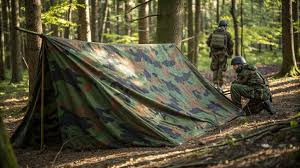
- Camouflage for Equipment: Military forces use tarnplanen to cover vehicles, weapons, and other equipment to prevent detection.
- Field Shelter: Soldiers can use tarnplanen to create temporary shelters or hideout areas during operations.
B. Outdoor Recreation and Camping
For outdoor enthusiasts, tarnplanen can serve a variety of purposes, from shelter to camouflage. They are commonly used in survival scenarios where protection from the weather is essential.
- Campground Coverage: Tarnplanen can be used to create a quick and reliable shelter or as a ground cover for camping.
- Survival Gear: When hiking or camping, a tarnplanen can be used to cover gear or provide shade during the day.
C. Hunting and Wildlife Observation
Hunters and wildlife photographers use tarnplanen for concealment while waiting for prey or observing animals. The camouflage patterns help them blend into their environment, preventing animals from detecting their presence.
- Hiding Spot: Tarnplanen can be draped over blinds or set up as a tent-like structure to provide a concealed spot for hunters.
- Weather Protection: It also protects the user from the elements during extended periods in the field.
D. Emergency and Disaster Relief
In emergency situations, such as natural disasters, tarnplanen can be used for shelter, privacy, and protecting supplies from the elements. They are portable, lightweight, and easy to deploy in crisis scenarios.
- Temporary Shelter: Tarnplanen are often used to create temporary shelters for those affected by disasters.
- Protection of Supplies: They can also be used to protect food, water, and medical supplies from rain or sun exposure.
How to Choose the Right Tarnplanen
Choosing the right tarnplanen depends on various factors, including the intended use, environment, and material preferences. Here are some tips to help you select the best tarnplanen for your needs:
A. Consider the Environment
The first step is to consider the environment where the tarnplanen will be used. If you are using it in a forested area, a woodland camouflage design is ideal. For desert conditions, choose a desert camouflage pattern.
- Forest Environments: Choose tarnplanen with green or brown camouflage patterns.
- Desert Environments: Opt for light, sandy colors or desert camouflage.
- Urban Areas: Urban camouflage is perfect for cities or areas with more buildings and structures.
B. Material Durability
The material you choose will depend on how long you need the tarnplanen to last and the severity of the conditions. If you need something lightweight for short-term use, a polyethylene or ripstop nylon tarp may be enough. For long-term, heavy-duty use, go for PVC-coated fabric or high-strength polyester.
C. Size and Portability
Consider the size of the tarnplanen. If you’re setting up a large shelter or need to cover multiple pieces of equipment, a larger tarp will be necessary. Also, consider the weight and portability if you’re hiking or traveling, you may want a tarp that packs down small and is lightweight.
Common Mistakes to Avoid When Using Tarnplanen
While tarnplanen are highly effective, there are a few common mistakes that users often make. Here’s how to avoid them:
A. Improper Setup
Ensure that the tarnplanen is properly set up to maximize its effectiveness. If it’s not taut enough or isn’t secured well, it won’t provide the level of protection needed. Take the time to ensure it’s properly positioned and anchored.
B. Using the Wrong Camouflage Pattern
Choosing the wrong camouflage pattern for your environment can reduce the effectiveness of the tarnplanen. Always select the appropriate pattern based on the surroundings where it will be used.
C. Neglecting Maintenance
Although tarnplanen are built to last, they still require some maintenance. Clean your tarp regularly to prevent dirt and debris from accumulating. Also, check for wear and tear and repair any holes or tears to extend its life.
Conclusion
Tarnplanen are an essential tool for anyone who needs a combination of concealment and protection from the elements. Whether you’re in the military, an outdoor enthusiast, or working in emergency services, tarnplanen offers a practical and versatile solution for all your needs. Their ability to blend seamlessly into various environments, while also providing weather resistance, makes them indispensable for both professionals and hobbyists.
As the demand for adaptive, multi-functional tools grows, tarnplanen will continue to be a critical component of tactical gear, outdoor equipment, and disaster relief efforts. By understanding how to choose the right tarnplanen and using it properly, you can ensure that you have a reliable solution for your outdoor or emergency needs.
Frequently Asked Questions (FAQs) About Tarnplanen
What is the main purpose of tarnplanen?
The primary purpose of tarnplanen is to provide camouflage and protection from the elements. These tarps are used to conceal people, equipment, and positions while also offering shelter from rain, wind, and sun.
Can tarnplanen be used in all weather conditions?
Yes, tarnplanen are designed to withstand various weather conditions. Depending on the material, they can offer water resistance, UV protection, and resistance to wind, making them suitable for a wide range of environments.
Are tarnplanen easy to set up?
Yes, tarnplanen are relatively easy to set up, especially if you use the right tools like stakes, ropes, or a frame. Proper setup ensures maximum protection and concealment.
How long do tarnplanen last?
The lifespan of tarnplanen depends on the material and how often it is used. High-quality tarnplanen made from durable fabrics like ripstop nylon or PVC-coated materials can last for several years with proper care.
Where can I buy tarnplanen?
Tarnplanen can be purchased from outdoor retailers, military surplus stores, and online marketplaces. Be sure to select a reputable vendor that offers high-quality, durable tarps suited for your needs.