

Soutaipasu is a rising culinary trend that has captured the interest of food lovers looking for something fresh, flavorful, and exciting. While it is not yet widely known in the West, the dish is gaining attention because of its unique blend of herbs, spices, and cooking techniques. The use of ingredients like cilantro, garlic, and ginger gives soutaipasu a lively and memorable taste that instantly attracts people who enjoy global flavors.
This article gives a complete, easy-to-read, long-form guide to what soutaipasu is, how it developed, how it tastes, how it is prepared, and why it is becoming popular in the United States. You will also find cooking tips, variations, nutrition information, cultural context, and expert insights that go far beyond what is available online.
If you are curious about soutaipasu or want to explore new foods, this guide will help you understand everything about it.
Understanding Soutaipasu: A Dish Built on Fresh Flavors
Soutaipasu is best described as a dish or cuisine style that highlights bright, aromatic herbs and spices. It combines fresh ingredients like cilantro, garlic, ginger, and sometimes chili, citrus, or earthy spices to create a balanced and powerful flavor experience. Many people compare it to dishes from Southeast Asia, South Asia, or fusion-style modern cooking, but soutaipasu has its own identity.
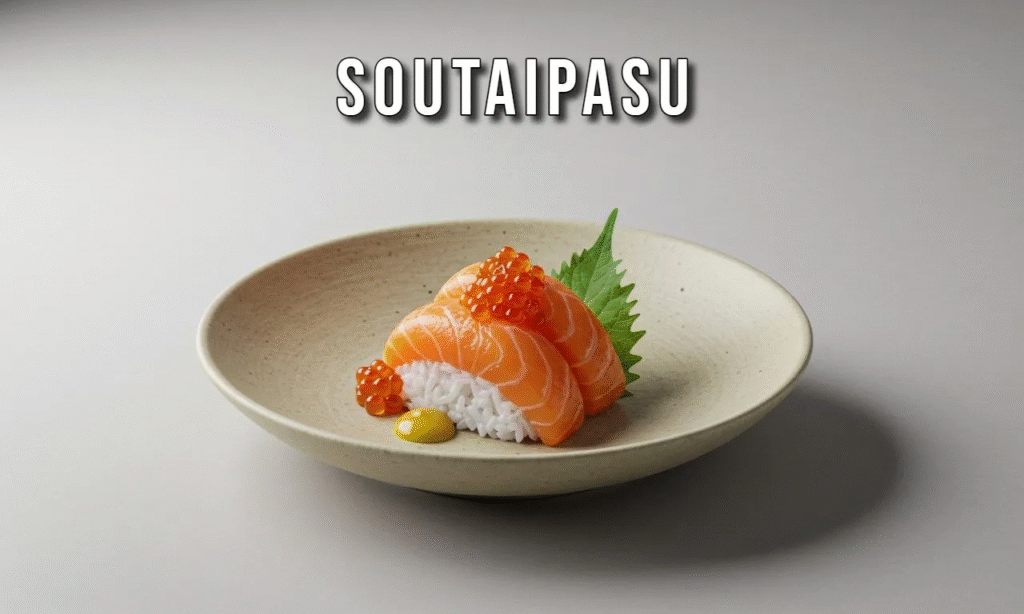
At its core, soutaipasu is about harmony. The dish blends heat, fragrance, freshness, and depth without overwhelming the palate. It appeals to both adventurous eaters and those who prefer clean, fresh flavors.
Also read:https://icryptoxs.com/ecmiss/
One of the reasons soutaipasu is becoming popular is that it is easy to customize. Different regions and cooks adapt it to their preferences. Some versions are mild, others spicy. Some are broth-based while others are served dry with rice or noodles.
This flexibility makes soutaipasu a dish you can enjoy however you like.
The Origin and Evolution of Soutaipasu
Soutaipasu does not come from a single country, but rather from a broad food tradition that values fresh aromatics and bold spices. Although the name may sound unfamiliar to many Americans, the cooking methods behind the dish are deeply rooted in Asian culinary traditions.
The early versions of soutaipasu likely came from communities where herbs like cilantro and aromatics like garlic and ginger were part of everyday meals. These ingredients were not used simply for taste, but for health, balance, and cultural meaning. Over time, different cooks adapted the idea into what is now called soutaipasu.
As global cuisine spread across borders, soutaipasu became a fusion-style dish that brings together traditional techniques and modern creativity. Today, you may find soutaipasu in street food markets, home kitchens, and contemporary restaurants that specialize in fresh, bold flavors.
The dish continues to evolve. New versions include vegan soutaipasu, grilled soutaipasu, seafood soutaipasu, and even low-carb or high-protein versions for health-conscious eaters.
Key Ingredients That Define Soutaipasu
The heart of soutaipasu lies in its ingredients. Each one serves a purpose and contributes to the overall taste.
Fresh Cilantro
Cilantro adds a bright, clean, green flavor that instantly lifts the dish. It also helps balance the heat from spices. Without cilantro, soutaipasu would lose much of its signature freshness.
Garlic
Garlic provides depth and richness. It enhances the savory notes and adds warmth. Many variations of soutaipasu use roasted, crushed, or finely chopped garlic to achieve the perfect flavor.
Ginger
Ginger adds energy to the dish. It has a sharp, aromatic taste that pairs well with both spicy and mild elements. Ginger also has natural digestive benefits, which is one reason soutaipasu is often considered comforting and healing.
Spice Blends and Aromatic Oils
Depending on the style, soutaipasu may include chili oil, sesame oil, crushed pepper, toasted spices, lemongrass, citrus zest, turmeric, or cumin. These additions help create layers of flavor that make the dish memorable.
Proteins and Vegetables
Soutaipasu can be made with chicken, beef, tofu, shrimp, or vegetables. The dish is very adaptable and works well for different dietary needs.
How Soutaipasu Is Prepared: Cooking Methods Explained
There is no single recipe for soutaipasu, but there are common cooking methods that most versions share. These methods help bring out the herbs and spices and create a well-balanced experience.
1. Herb and Spice Base Creation
Cooks begin with a flavorful base made from garlic, ginger, cilantro stems, and sometimes onions or chili. This base is sautéed lightly to release aromatic oils without burning the herbs.
2. Combining Fresh and Cooked Ingredients
Soutaipasu is known for combining fresh and cooked components. The cooked base provides warmth while fresh toppings add brightness. This contrast is one reason people enjoy the dish so much.
3. Building the Broth or Sauce
Some versions of soutaipasu use a broth made from chicken or vegetables. Others use a thick sauce created from spices, citrus, and herbs. The base is seasoned carefully to achieve balance.
4. Adding Main Ingredients
Protein or vegetables are cooked in the broth or sauce until tender. In some variations, the protein is grilled separately and then added to the dish for extra complexity.
5. Finishing With Fresh Herbs
Cilantro, fresh chili, or lime juice may be added at the end. This final step is essential because it provides that signature soutaipasu freshness.
What Does Soutaipasu Taste Like?
People who try soutaipasu for the first time often describe it with these words:
Fresh
Warm
Aromatic
Comforting
Bright
Layered
Balanced
The combination of garlic, ginger, and cilantro gives soutaipasu a unique taste that feels bold but not heavy. The flavors open gradually, allowing you to enjoy the complexity of the herbs and spices without feeling overwhelmed.
Spicy versions deliver heat, but even mild versions have a lively personality. The dish is simple enough for everyday meals but interesting enough to feel special.
Also read:https://icryptoxs.com/antarvwsna/
Why Soutaipasu Is Becoming Popular in the United States
Several trends are helping soutaipasu grow in popularity across the U.S.
Interest in Global Flavors
Americans are trying more international dishes than ever before. Soutaipasu fits perfectly into this trend because it feels fresh and new but uses familiar ingredients.
Health and Wellness Movements
Many ingredients in soutaipasu have natural health benefits. Garlic supports immunity, ginger supports digestion, and cilantro may help reduce inflammation. People who enjoy clean eating appreciate soutaipasu’s simple but powerful ingredient list.
Flexibility for Dietary Preferences
Soutaipasu works well for many eating lifestyles, including plant-based, gluten-free, high-protein, and low-carb diets.
Easy to Prepare at Home
Because soutaipasu uses basic ingredients, it is accessible for home cooks. People enjoy experimenting with different flavors and making their own variations.
Social Media Food Culture
Bright colors, fresh herbs, and vibrant toppings make soutaipasu popular for photos and videos. Visual appeal helps spread awareness quickly.
Regional Variations of Soutaipasu
Like many global dishes, soutaipasu takes on different forms depending on where it is made. Here are the most common styles.
Classic Soutaipasu
This version stays close to the original balance of herbs, spices, and broth. It is mild but aromatic.
Spicy Soutaipasu
Extra chili, pepper, or chili oil is added. This version is popular with people who enjoy bold heat.
Herbal Soutaipasu
This style focuses heavily on fresh herbs, sometimes adding mint, basil, or parsley for extra fragrance.
Fusion Soutaipasu
Modern chefs combine soutaipasu with noodles, rice bowls, wraps, or grilled proteins to create restaurant-style dishes.
Vegetarian or Vegan Soutaipasu
Vegetables, tofu, or plant-based proteins replace meat while keeping the same aromatic base.
Each version maintains the essential elements of soutaipasu but offers something unique.
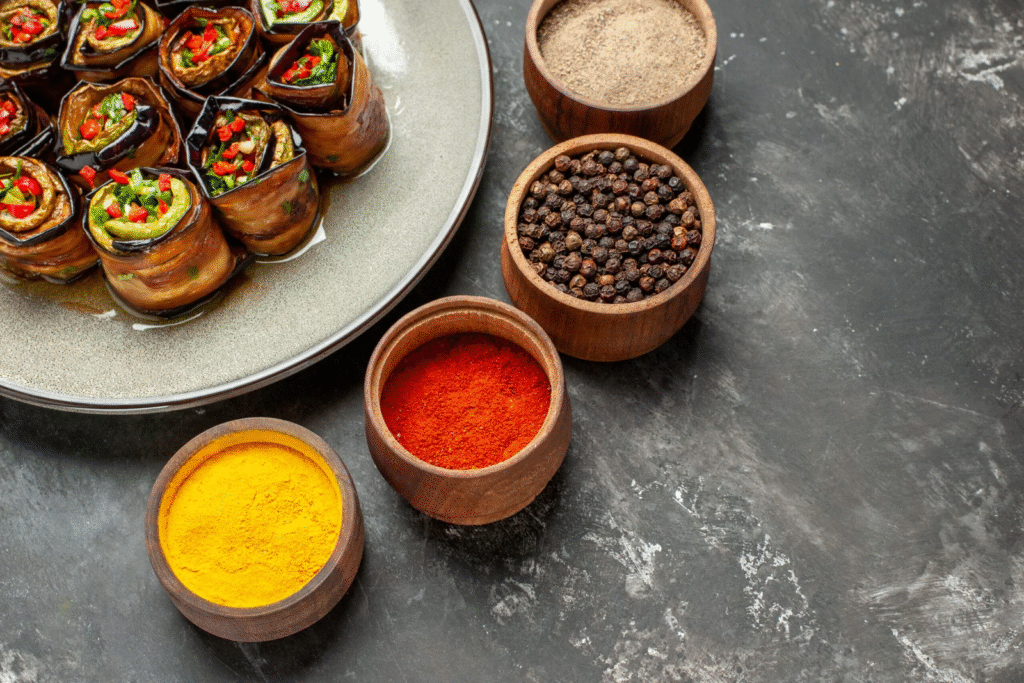
Step-by-Step Guide: How to Make Soutaipasu at Home
Here is a simple version you can make in your kitchen.
Ingredients
Garlic
Fresh ginger
Cilantro (stems for cooking, leaves for topping)
Oil
Chicken or vegetable broth
Vegetables or protein of choice
Salt and pepper
Optional: chili oil, lime juice, turmeric, basil
Instructions
- Chop garlic, ginger, and cilantro stems.
- Sauté these in a little oil until aromatic.
- Add broth and simmer.
- Add vegetables or protein and cook until tender.
- Season with salt, pepper, and optional spices.
- Finish with cilantro leaves, lime, or chili oil.
- Serve hot over noodles or rice if desired.
This version is adaptable, simple, and fits most diets.
Nutrition and Wellness Benefits of Soutaipasu
Soutaipasu is often considered a healthy meal because of its natural ingredients. Here are some common wellness benefits.
Garlic
May support heart health and immunity.
Ginger
Helps digestion and reduces nausea.
Cilantro
May lower inflammation and assist detoxification.
Lean Proteins
Offer sustainable energy without heavy calories.
Fresh Vegetables
Provide fiber, vitamins, and antioxidants.
Because soutaipasu uses herbs instead of heavy sauces, it is lighter than many traditional dishes.
Soutaipasu in Modern Food Culture
Chefs around the world appreciate soutaipasu for its flexibility and vibrant flavors. Restaurants that focus on fusion cuisine often use soutaipasu elements to create exciting new dishes.
Home cooks also enjoy soutaipasu because it fits both weeknight meals and special occasions. The dish looks beautiful, smells amazing, and tastes complex even though it uses simple ingredients.
Food influencers frequently share soutaipasu because it photographs beautifully. The bright herbs and colorful toppings make it a natural star on social platforms.
Also read:https://icryptoxs.com/xlecz/
How Soutaipasu Compares to Similar Dishes
Although soutaipasu stands alone, it shares qualities with other dishes:
It has freshness similar to Vietnamese cuisine.
It has aromatic depth like Thai cooking.
It has balanced herbs like some South Asian dishes.
But soutaipasu differs because it brings these characteristics together in a unique and adaptable format.
Tips for Making Restaurant-Quality Soutaipasu
If you want to elevate your soutaipasu, try the following techniques.
Use fresh herbs, not dried ones.
Do not overcook garlic or ginger.
Add citrus or acid at the end for brightness.
Balance heat with freshness to avoid bitterness.
Layer flavors slowly instead of adding everything at once.
Let the broth or sauce rest briefly so flavors deepen.
These small details create a big impact.
Common Mistakes When Making Soutaipasu
Even experienced cooks sometimes make errors.
Using wilted herbs reduces freshness.
Adding cilantro too early causes it to lose flavor.
Burning garlic creates bitterness.
Using too much salt hides the natural flavors.
Skipping ginger makes the dish feel flat.
Avoiding these mistakes will improve your final result.
Serving Ideas for Soutaipasu
Soutaipasu can be served in many ways:
With rice
With noodles
As a soup
As a dry stir-in dish
With grilled meats or tofu
As a bowl-style meal with toppings
Because of its flexibility, it suits lunch, dinner, or even meal prep.
Storing and Reheating Soutaipasu
Soutaipasu stores well if handled correctly.
Store broth and fresh herbs separately.
Keep leftovers in airtight containers.
Reheat slowly so herbs do not lose color.
Add fresh toppings only after reheating.
This keeps the dish tasting fresh even the next day.
Future Trends: What’s Next for Soutaipasu?
As global food culture grows, soutaipasu is likely to spread further into the mainstream. You may soon see it in:
Healthy meal services
Food trucks
Fusion restaurants
Cooking classes
Vegan and fitness menus
The dish offers endless room for innovation, so chefs and home cooks will continue adapting it.
Final Thoughts: Why Soutaipasu Deserves a Place in Your Kitchen
Soutaipasu is more than a dish. It is a celebration of freshness, simplicity, and flavor. Whether you enjoy bold spices, herbal brightness, or warm, comforting meals, soutaipasu fits perfectly into many lifestyles.
Its flexibility, health benefits, and easy preparation make it ideal for home cooking. Its vibrant flavors and cultural depth make it a standout dish worth exploring.
If you have never tried soutaipasu, now is the perfect time to bring it into your kitchen and enjoy its unique taste.
FAQs About Soutaipasu
These questions and answers are not covered in the article above and provide extra value for readers.
What proteins work best in soutaipasu?
Chicken, shrimp, tofu, and thin-sliced beef all work well. The dish adapts easily to different textures.
Is soutaipasu spicy?
It can be spicy, but it does not have to be. Heat levels depend on how much chili or spice is added.
Can I make soutaipasu without cilantro?
Yes. Parsley, basil, or mint can be used as substitutes, though the flavor will change.
Is soutaipasu a traditional dish from one country?
No. It is a style of cooking influenced by several Asian culinary traditions rather than a single origin.
Can soutaipasu be made gluten-free?
Yes. Use gluten-free broth and pair it with rice or gluten-free noodles.