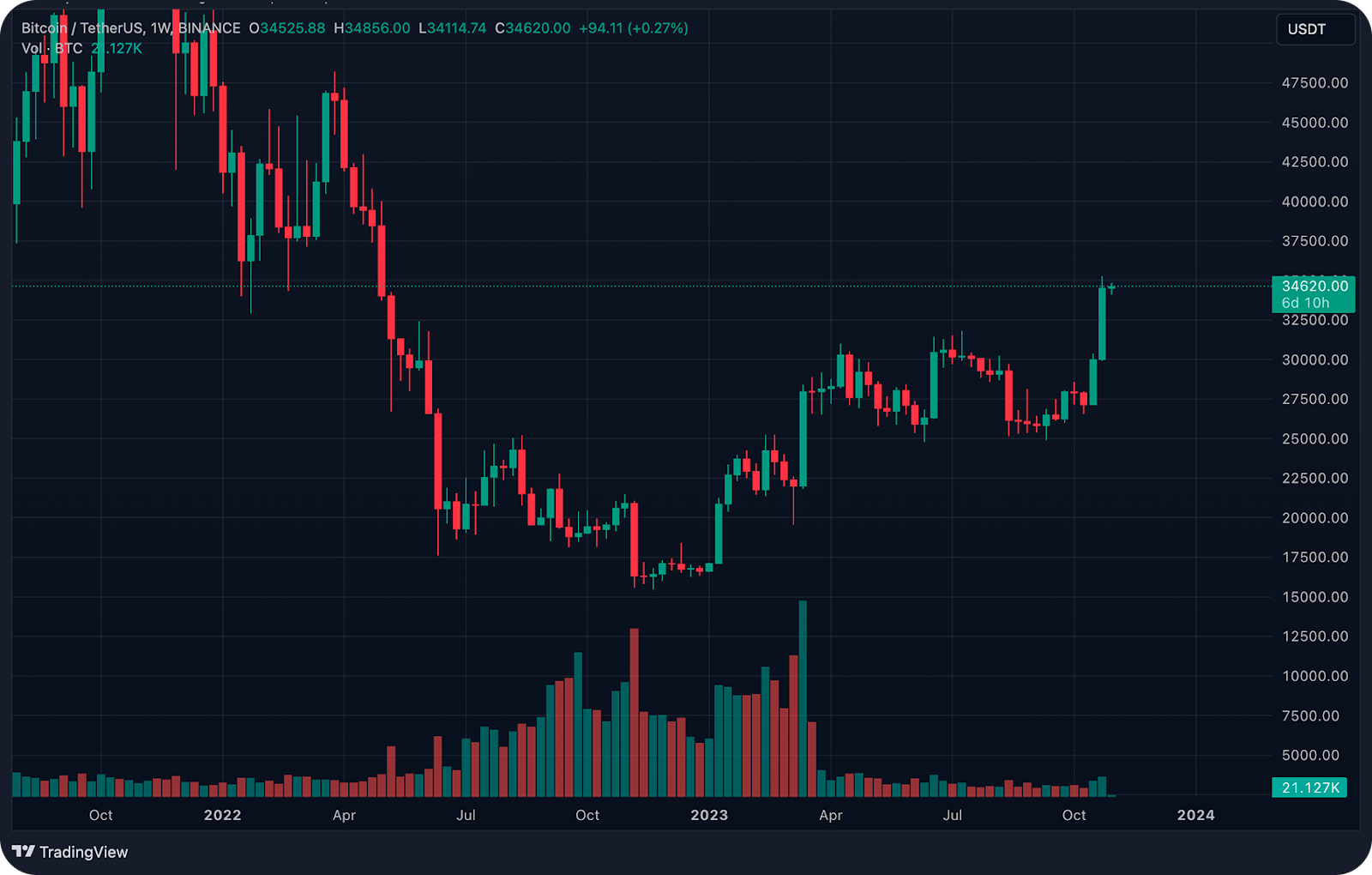

Cryptocurrency has become one of the most exciting financial markets in recent years. From Bitcoin to Ethereum and a variety of altcoins, crypto trading offers opportunities for both growth and learning. If you are a beginner, the world of crypto can seem complex and intimidating. However, with the right approach, anyone can start trading successfully. In this guide, we’ll walk you through the basics, step by step, using simple language so you can start confidently.
What is Crypto Trading?
Crypto trading is the process of buying and selling cryptocurrencies to make a profit. Unlike traditional stock markets, crypto operates 24/7, meaning you can trade anytime. There are two main types of crypto trading:
- Spot Trading: This is when you buy a cryptocurrency at its current price and hold it. You can sell it later at a higher price.
- Margin or Futures Trading: This is more advanced. You borrow funds to trade larger amounts, aiming for bigger profits, but the risk is also higher.
For beginners, spot trading is usually the safest and easiest way to start.
Step 1: Learn the Basics
Before you start trading, it’s important to understand the key concepts:
- Blockchain: A technology that stores crypto transactions securely.
- Wallets: Digital accounts where your crypto is stored.
- Exchanges: Platforms where you can buy and sell cryptocurrencies, such as Binance, Coinbase, or Kraken.
- Volatility: Crypto prices can change rapidly. Understanding this is crucial because it affects your trading decisions.
Spending some time learning these basics can save you from common mistakes that beginners make.
Step 2: Choose a Reliable Exchange
Selecting the right crypto exchange is one of the most important steps. A good exchange should have:
- Security: Look for two-factor authentication and insurance for assets.
- User-Friendly Interface: Especially important for beginners.
- Variety of Coins: The more options, the better for trading different cryptocurrencies.
- Low Fees: Trading fees can eat into your profits, so compare them before choosing.
Popular beginner-friendly exchanges include Binance, Coinbase, and Kraken.
Step 3: Set Up a Crypto Wallet
A wallet is essential for storing your crypto safely. There are two main types:
- Hot Wallets: These are online wallets connected to the internet. They are convenient but slightly less secure.
- Cold Wallets: Offline wallets like hardware devices. They are more secure and suitable if you plan to hold large amounts of crypto.
As a beginner, starting with a hot wallet is fine, but always consider security measures like strong passwords and 2FA.
Step 4: Start with a Small Investment
When you are new, it’s wise to start small. Cryptocurrency is volatile, and even small losses can feel significant if you invest too much. Starting with a manageable amount allows you to:
- Learn without financial stress
- Understand market movements
- Develop a trading strategy
Remember, crypto trading should be seen as a long-term learning experience rather than a way to get rich overnight.
Step 5: Understand Market Analysis
Successful trading requires understanding market trends. There are two main approaches:
- Fundamental Analysis: This involves evaluating a cryptocurrency’s long-term value based on its technology, use case, team, and market demand.
- Technical Analysis: This involves studying price charts, patterns, and indicators to predict short-term movements.
As a beginner, start with basic chart reading and gradually learn technical indicators like moving averages, RSI, and MACD.
Step 6: Develop a Trading Strategy
A strategy is essential to avoid emotional trading. Some beginner strategies include:
- HODLing: Buy and hold crypto for a long period, expecting its value to increase.
- Dollar-Cost Averaging (DCA): Invest a fixed amount regularly, reducing the impact of volatility.
- Swing Trading: Buy low and sell high over days or weeks.
Choose a strategy that matches your goals and risk tolerance.
Step 7: Manage Risks
Crypto trading is risky, so risk management is vital. Key tips include:
- Never invest more than you can afford to lose.
- Use stop-loss orders to minimize losses.
- Diversify your investments instead of putting all your money in one coin.
- Avoid emotional trading; stick to your plan.
By managing risks, you can protect your capital while gaining experience.
Step 8: Keep Learning
The crypto world evolves rapidly. New coins, technologies, and market trends appear all the time. To stay ahead:
- Follow crypto news and updates.
- Join beginner-friendly crypto communities.
- Learn from experienced traders, but always verify information.
Continuous learning will improve your trading decisions and help you avoid mistakes.
Step 9: Practice with Demo Accounts
Some exchanges offer demo accounts where you can practice trading with virtual funds. This is a great way for beginners to:
- Understand how trades work
- Test strategies without risking real money
- Gain confidence before investing
Practicing first helps you avoid costly errors when you trade live.
Step 10: Start Trading
Once you feel ready, start trading with small amounts. Remember:
- Start simple and avoid overcomplicating your trades.
- Monitor your trades regularly.
- Adjust your strategy based on what you learn from the market.
Consistency and patience are more important than chasing quick profits.
FAQs About Crypto Trading for Beginners
1. How much money do I need to start crypto trading?
You can start with as little as $50 to $100. The key is to invest an amount you can afford to lose.
2. Is crypto trading safe for beginners?
Crypto trading carries risk, but starting small, learning, and managing risks carefully can make it safer for beginners.
3. How do I choose which cryptocurrency to trade?
Start with well-known coins like Bitcoin or Ethereum. Research their use case, market history, and community support before trading.
4. Can I make a living from crypto trading as a beginner?
It’s possible, but highly risky. Most beginners should focus on learning and small profits before considering full-time trading.
5. Should I trade daily or hold long-term?
Both strategies work. Daily trading is riskier and requires more experience, while holding (HODLing) is safer for beginners.
Conclusion
Starting crypto trading as a beginner can be intimidating, but breaking it down into small, manageable steps makes it achievable. Learn the basics, choose the right exchange and wallet, start small, and develop a strategy. Most importantly, always prioritize risk management and continuous learning. Crypto trading is not a sprint; it’s a journey where knowledge, patience, and discipline pay off.
By following these steps, beginners can confidently enter the crypto market, make informed decisions, and gradually build their trading skills.