
Cryptocurrency has become an increasingly popular way to store and transfer value online. From Bitcoin to Ethereum and countless other coins, people are investing and trading digital assets like never before. However, with this rise comes a big responsibility: securing your crypto wallet. Unlike traditional banking, cryptocurrency transactions are irreversible. If your funds are stolen, there’s no bank to call or customer service to recover your money. This makes knowing how to protect your crypto wallet absolutely essential.
In this guide, we’ll walk you through practical steps to secure your wallet and keep your digital assets safe.
Understanding Crypto Wallets
Before diving into security tips, it’s important to understand what a crypto wallet is. A crypto wallet is a digital tool that allows you to store, send, and receive cryptocurrencies. There are two main types:
- Hot Wallets: These are online wallets connected to the internet, such as web wallets or mobile app wallets. They are convenient for daily transactions but are more vulnerable to hacks.
- Cold Wallets: These are offline wallets, like hardware wallets or paper wallets, not connected to the internet. They are much safer from online attacks but less convenient for frequent use.
Knowing the difference helps you balance convenience with security.
1. Choose a Reliable Wallet
Not all wallets are created equal. Some have robust security features, while others may be prone to hacking. When choosing a wallet:
- Look for wallets with two-factor authentication (2FA).
- Check if the wallet allows you to control your private keys. Remember, whoever controls the keys controls the funds.
- Read user reviews and check the developer’s reputation.
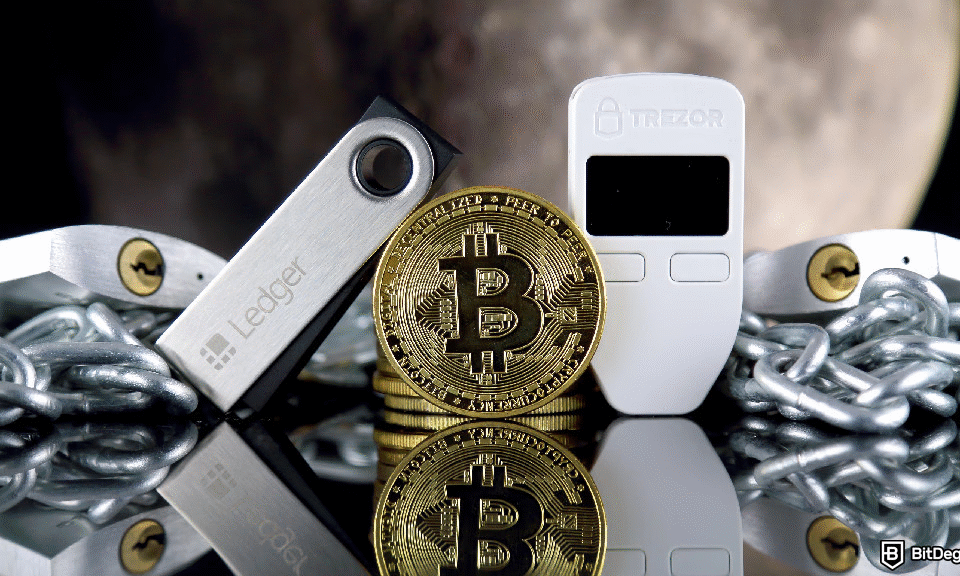
Some trusted options include hardware wallets like Ledger or Trezor, which store keys offline, making them far more secure.
2. Protect Your Private Keys
Your private key is essentially the password to your cryptocurrency. Anyone with access to it can steal your funds.
Tips to protect your private keys:
- Never share them online or store them in cloud services.
- Use a hardware wallet to store them offline.
- Consider writing them down on paper and keeping them in a safe place, sometimes called a “paper wallet.”
Think of your private key as your most valuable possession. Treat it like gold.
3. Enable Two-Factor Authentication (2FA)
Two-factor authentication adds an extra layer of security. Even if a hacker gets your password, they won’t be able to access your wallet without the second factor, often a code sent to your phone or generated by an app like Google Authenticator.
Tip: Avoid SMS-based 2FA if possible, as SIM-swapping attacks can compromise it. Use an authentication app or hardware security key instead.
4. Use Strong Passwords
Passwords are often the first line of defense. A weak password can make your wallet an easy target.
- Use long passwords with a mix of letters, numbers, and symbols.
- Avoid using the same password across multiple platforms.
- Consider using a password manager to safely store and generate strong passwords.
Strong passwords may seem tedious, but they’re worth the peace of mind.
5. Keep Software Updated
Crypto wallets, especially hot wallets, run on software. Like any software, they can have vulnerabilities.
- Always install the latest updates.
- Keep your operating system and antivirus programs up to date.
- Be cautious with third-party apps and plugins that interact with your wallet.
Hackers often exploit outdated software, so updates are crucial.
6. Beware of Phishing Attacks
Phishing attacks are common in the crypto space. Hackers try to trick you into giving away your credentials through fake websites, emails, or messages.
Tips to avoid phishing:
- Always double-check URLs before logging in.
- Avoid clicking on suspicious links.
- Don’t share sensitive information on social media or public forums.
A moment of caution can save you from losing your funds forever.
7. Consider Multi-Signature Wallets
Multi-signature (multi-sig) wallets require more than one private key to authorize a transaction. This adds an extra layer of security, especially if you are managing large amounts or running a business.
- For example, a 2-of-3 multi-sig wallet requires two out of three keys to approve a transaction.
- Even if one key is compromised, your funds remain safe.
Multi-sig wallets are particularly useful for group projects or shared funds.
8. Backup Your Wallet
Backup is crucial. Losing access to your wallet can happen if your device fails or gets lost.
- Make multiple secure backups of your wallet and keys.
- Store backups in different physical locations.
- Encrypt backups to prevent unauthorized access.
Think of backups as insurance for your crypto — better safe than sorry.
9. Be Careful with Public Wi-Fi
Using public Wi-Fi can expose your wallet to hackers through unsecured networks.
- Avoid logging into your wallet on public Wi-Fi.
- If you must use public Wi-Fi, use a VPN to encrypt your connection.
- Prefer accessing your wallet from private and secure networks.
Even a simple coffee shop Wi-Fi can be risky if precautions aren’t taken.
10. Monitor Your Wallet Regularly
Finally, keep an eye on your wallet activity.
- Regularly check your balance and transaction history.
- Set up alerts for unusual activity if your wallet supports it.
- Respond quickly if you notice anything suspicious.
Being proactive is often the best defense against potential threats.
Conclusion
Securing your crypto wallet requires a combination of good practices, reliable tools, and vigilance. From choosing the right wallet to protecting your private keys, enabling 2FA, and being aware of phishing attacks, every step counts. Remember, in the crypto world, you are your own bank. Taking security seriously can save you from significant losses and give you confidence in managing your digital assets.
By following these steps, you can enjoy the benefits of cryptocurrency safely and responsibly.
FAQs About Securing Your Crypto Wallet
1. Can I recover my crypto if my wallet is hacked?
Unfortunately, crypto transactions are irreversible. If your wallet is hacked, your funds may be lost permanently. That’s why prevention is key.
2. What’s the safest type of crypto wallet?
Cold wallets, especially hardware wallets like Ledger or Trezor, are considered the safest because they are offline and protected from online threats.
3. How often should I update my wallet software?
Always install updates as soon as they are available. Updates often patch security vulnerabilities that hackers could exploit.
4. Is 2FA necessary for all wallets?
Yes. Two-factor authentication adds a crucial layer of security, making it much harder for hackers to access your wallet even if your password is compromised.
5. Can I use the same password for multiple crypto wallets?
No. Using the same password increases your risk. If one wallet is compromised, all wallets with the same password are at risk.