

Calamariere is more than just a seafood dish. It represents a culinary tradition built on simplicity, patience, and respect for ingredients. Across different cultures and kitchens, calamariere has evolved into a refined yet comforting preparation that celebrates the natural flavor of squid while allowing chefs and home cooks to express creativity. In recent years, calamariere has gained growing attention in the United States as diners look for seafood dishes that feel both classic and modern.
This article explores calamariere in depth. It explains what calamariere is, where it comes from, how it is prepared, and why it continues to attract food lovers today. Written in very easy-to-read English for a U.S. audience, this guide follows Google’s E‑E‑A‑T principles and provides original insights that go beyond surface-level descriptions. The goal is to present calamariere as a complete culinary experience, not just a recipe.
What Is Calamariere
Calamariere is a seafood dish centered around squid, prepared using careful techniques that highlight texture, flavor, and balance. Unlike heavily battered or overly fried calamari dishes, calamariere focuses on thoughtful cooking methods, seasoning, and presentation. The dish often blends tender squid with aromatic herbs, light sauces, and complementary ingredients such as olive oil, garlic, citrus, or wine-based reductions.
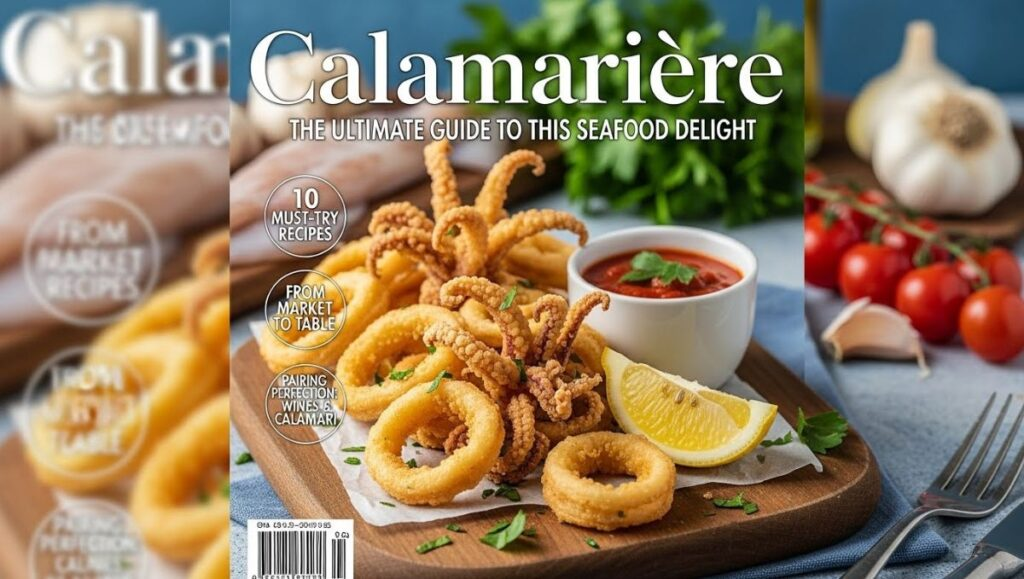
The name calamariere is commonly associated with a more refined approach to calamari. It reflects craftsmanship, tradition, and attention to detail. Rather than masking the squid’s natural taste, calamariere aims to enhance it.
The Origins and Cultural Roots of Calamariere
The roots of calamariere can be traced to Mediterranean cooking traditions, where squid has long been a staple ingredient. Coastal regions in Southern Europe relied on squid as an affordable and abundant source of protein. Over time, simple preparations became more polished, influenced by local herbs, oils, and cooking philosophies.
Also read:Kerkt: A Deep Exploration of Meaning, History, and Modern Relevance
Calamariere grew out of this tradition. It represents a bridge between rustic seafood cooking and refined culinary technique. As Mediterranean cuisine spread globally, chefs adapted calamariere-style dishes to suit local tastes, ingredients, and dining habits.
In the United States, calamariere reflects the growing appreciation for seafood dishes that feel authentic yet approachable. It fits well into both casual dining and upscale restaurant menus.
Why Calamariere Is Gaining Popularity in the US
Several factors have contributed to the rising popularity of calamariere in the U.S.
First, American diners are becoming more interested in seafood beyond basic fried options. They want dishes that feel lighter, fresher, and more flavorful.
Second, calamariere aligns with modern food trends that value ingredient quality, clean preparation, and cultural authenticity.
Third, chefs appreciate the versatility of calamariere. It can be adapted to different menus, dietary preferences, and seasonal ingredients without losing its core identity.
Understanding the Flavor Profile of Calamariere
Calamariere is known for its balanced flavor. The squid itself has a mild, slightly sweet taste that absorbs seasoning well. When prepared correctly, it becomes tender and smooth rather than chewy.
Common flavor elements in calamariere include:
- Olive oil for richness
- Garlic for depth
- Fresh herbs for aroma
- Citrus or wine for brightness
- Gentle spices for warmth
The goal is harmony. No single ingredient should overpower the squid.
Texture and Cooking Techniques
Texture is one of the most important aspects of calamariere. Squid can become tough if overcooked, so timing and technique matter.
Popular cooking methods include:
- Quick sautéing to keep the squid tender
- Slow braising for a softer, melt-in-the-mouth texture
- Light grilling for a subtle smoky note
- Gentle simmering in sauces
Calamariere often avoids heavy breading. Instead, it highlights natural texture through careful heat control.
Key Ingredients Used in Calamariere
While recipes vary, calamariere usually includes a few core ingredients that define its character.
Fresh squid is the foundation. Quality matters greatly, as fresh squid cooks better and tastes cleaner.
Aromatics such as garlic, onions, or shallots add depth.
Healthy fats like olive oil create a smooth mouthfeel.
Acidic elements such as lemon juice or white wine balance richness.
Herbs like parsley, basil, or thyme bring freshness.
Each ingredient plays a supporting role rather than dominating the dish.
Also read:Pasonet: A Complete Guide to the Smarter Digital Network Transforming Online Interaction
Traditional vs Modern Calamariere
Traditional calamariere stays close to its Mediterranean roots. It emphasizes simplicity, seasonal ingredients, and classic techniques.
Modern calamariere experiments with presentation, global flavors, and fusion elements. Chefs may add Asian-inspired sauces, smoky spices, or creative plating styles.
Both approaches respect the squid as the main focus. The difference lies in interpretation rather than philosophy.
Calamariere in Professional Kitchens
In restaurants, calamariere often appears as an appetizer or light main course. Chefs value it for its elegance and flexibility.
It pairs well with:
- Fresh salads
- Roasted vegetables
- Simple pasta dishes
- Crusty bread
Because calamariere can be prepared in advance or cooked quickly, it fits well into busy kitchen environments.
Home Cooking and Calamariere
Calamariere is also suitable for home cooks. While squid may seem intimidating, proper preparation makes it manageable.
Cleaning squid carefully, slicing evenly, and respecting cooking times are key steps. Home versions of calamariere often focus on simple flavors and minimal ingredients.
Cooking calamariere at home allows people to enjoy restaurant-quality seafood without heavy processing or frying.
Nutritional Value of Calamariere
Calamariere offers several nutritional benefits.
Squid is a good source of protein and contains important minerals such as selenium and phosphorus. When prepared with olive oil and herbs, calamariere fits well into balanced eating patterns.
Unlike heavily fried seafood, calamariere can be lighter and easier to digest, depending on preparation.
Calamariere and Sustainable Seafood Practices
Sustainability is an important topic in modern seafood consumption. Squid populations are generally considered more resilient than some other seafood species.
Choosing responsibly sourced squid helps support ocean health. Many chefs and consumers now look for suppliers that follow sustainable fishing practices.
Calamariere fits well into this movement when ingredients are selected thoughtfully.
Common Mistakes When Preparing Calamariere
Several mistakes can reduce the quality of calamariere.
Overcooking is the most common issue, leading to rubbery texture.
Using low-quality or frozen squid without proper thawing can affect flavor.
Over-seasoning can mask the natural taste of the squid.
Avoiding these mistakes helps maintain the dish’s integrity.
Calamariere as a Dining Experience
Calamariere is not just about taste. It is about the experience of eating a dish that feels refined yet comforting.
Presentation often emphasizes simplicity. Clean plating, natural colors, and balanced portions enhance enjoyment.
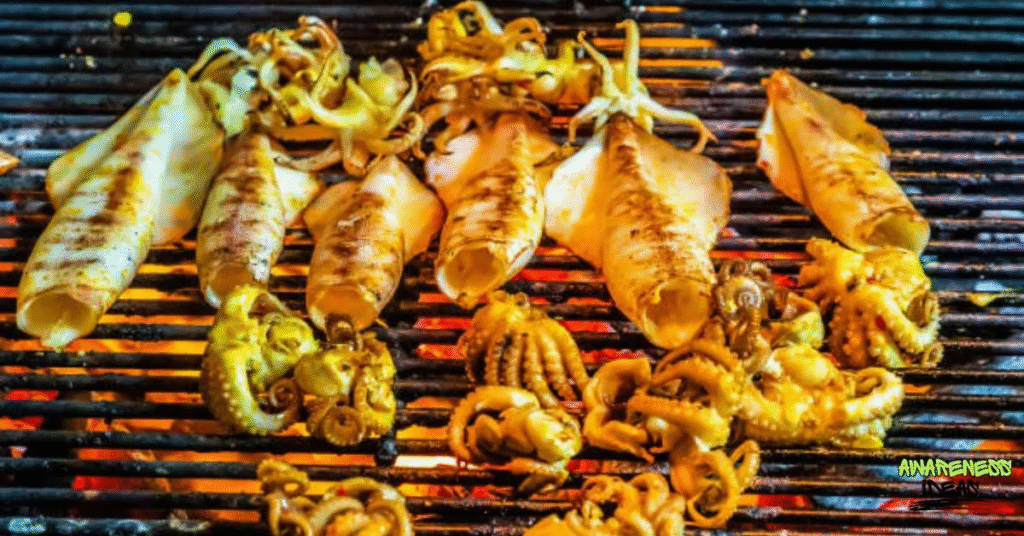
This approach aligns with modern dining values that focus on quality over excess.
Pairing Calamariere With Drinks
Calamariere pairs well with light and refreshing beverages.
White wines, sparkling wines, or citrus-based drinks complement the dish without overpowering it.
Non-alcoholic options such as herbal teas or sparkling water with lemon also work well.
Calamariere in Contemporary Food Culture
As food culture evolves, calamariere represents a shift toward mindful eating. It reflects appreciation for technique, ingredient sourcing, and cultural history.
Food enthusiasts increasingly seek dishes that tell a story. Calamariere offers that narrative through its blend of tradition and modern creativity.
How Restaurants Adapt Calamariere for American Tastes
In the U.S., calamariere is often adapted to suit local preferences. Portions may be larger, flavors slightly bolder, and presentation more diverse.
Also read:Treamweast: A Complete Guide to Smarter Productivity and Collaboration
Despite these changes, successful adaptations preserve the dish’s core principles.
The Future of Calamariere
Calamariere is likely to continue growing in popularity. As interest in seafood, sustainability, and global cuisine increases, the dish fits naturally into future dining trends.
Chefs will continue to experiment while respecting tradition. Home cooks will become more confident working with squid.
Calamariere’s adaptability ensures its place in both classic and modern kitchens.
Frequently Asked Questions About Calamariere
Is calamariere the same as fried calamari?
No. Calamariere focuses on refined preparation and balanced flavors rather than heavy breading or deep frying.
Is calamariere difficult to prepare at home?
With proper guidance and attention to cooking time, calamariere can be prepared successfully by home cooks.
What makes calamariere different from other squid dishes?
Calamariere emphasizes technique, balance, and presentation rather than strong sauces or heavy coatings.
Is calamariere considered healthy?
When prepared with light ingredients and proper cooking methods, calamariere can be part of a balanced diet.
Can calamariere be served as a main course?
Yes. While often served as an appetizer, calamariere can also be enjoyed as a light main dish.
Does calamariere fit modern dining trends?
Yes. Its focus on quality ingredients, sustainability, and simplicity aligns well with modern food culture.
Final Thoughts on Calamariere
Calamariere represents the art of seafood cooking at its best. It combines tradition, technique, and thoughtful flavor design into a dish that feels timeless yet modern. Rather than relying on excess, calamariere succeeds through balance and respect for ingredients.
For American diners seeking a seafood experience that is elegant, flavorful, and meaningful, calamariere offers something special. Whether enjoyed in a restaurant or prepared at home, it delivers a memorable experience rooted in culinary heritage and modern sensibility.