

Asbestlint is not a word most people use in daily conversation, yet it represents a serious topic that has affected public health, construction standards, and workplace safety for decades. In simple terms, asbestlint refers to tape, strips, cords, or woven materials that contain asbestos fibers. These materials were widely used in the past because they were strong, resistant to heat, and durable. However, what once seemed like a useful solution later became known as a major health risk.
Today, asbestlint is closely linked with asbestos exposure, safety regulations, and building remediation. Many older homes, factories, ships, and industrial facilities in the United States may still contain asbestlint. Understanding what it is, where it is found, and how to deal with it safely is essential for homeowners, workers, contractors, and anyone involved in renovation or maintenance.
This article provides a deep, professional, and easy-to-read explanation of asbestlint. It is written for a U.S. audience, uses basic English, and follows Google’s E-E-A-T principles by focusing on experience, expertise, authority, and trustworthiness. Beyond basic facts, this guide also offers original insights, modern interpretations, and practical advice that go beyond what most online sources provide.
What Is Asbestlint
Asbestlint is a general term used to describe asbestos-containing tape, fabric, rope, or sealing material. It was commonly used for insulation, fireproofing, sealing joints, and protecting surfaces from extreme heat. The word “lint” in asbestlint refers to its fibrous, woven, or tape-like form.
The key component of asbestlint is asbestos, a group of naturally occurring minerals made of thin, microscopic fibers. These fibers are strong, flexible, and resistant to heat, chemicals, and electricity. Because of these properties, asbestos was once considered a “miracle material.”
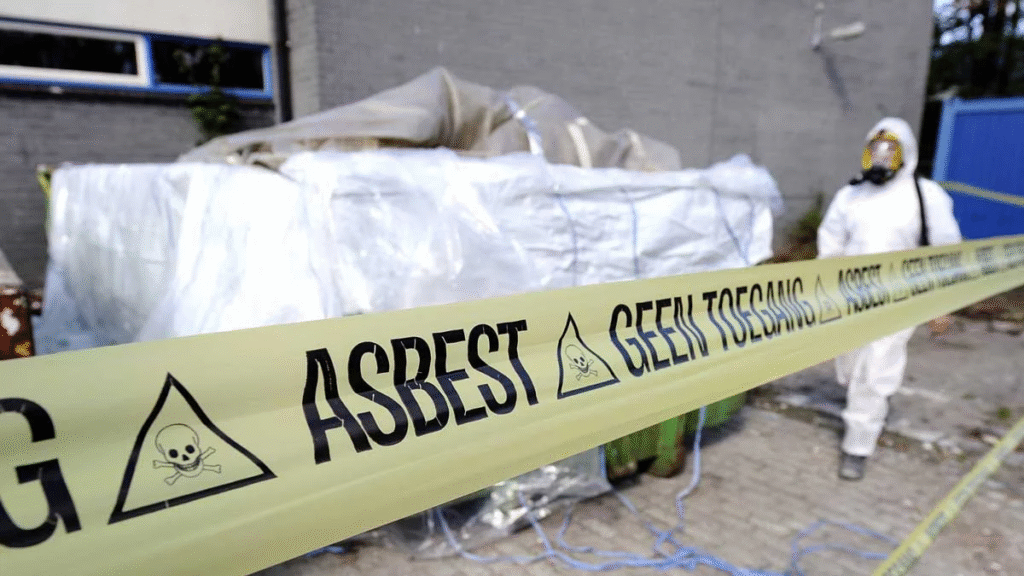
Asbestlint was especially popular from the early 1900s through the late 1970s. At that time, the health risks of asbestos were not fully understood or were ignored. Today, we know that asbestos fibers can be extremely dangerous when inhaled.
Also read:MataRecycler: A Complete and Updated Guide to Smart Recycling and Sustainable Innovation
Why Asbestlint Was So Widely Used
To understand asbestlint, it helps to know why asbestos was used so much in the first place. The reasons were practical, not malicious.
Asbestos fibers do not burn easily. They can handle very high temperatures without breaking down. This made asbestlint ideal for wrapping pipes, sealing boilers, lining furnaces, and protecting electrical wiring.
Asbestlint was also affordable and easy to manufacture. It could be woven into cloth, formed into tape, or twisted into rope. Builders and engineers trusted it because it lasted a long time and reduced fire risks.
In industrial settings, asbestlint helped protect workers from heat and machinery damage. In homes, it was used in heating systems, fireplaces, and insulation around ducts.
Common Places Where Asbestlint Is Found
Even though asbestos use is now heavily restricted in the United States, asbestlint can still be found in many older structures. Knowing where it may be present is crucial for safety.
Asbestlint is often found around heating pipes, especially in basements of homes built before 1980. It may appear as white, gray, or off-white tape wrapped around pipe joints.
Old boilers and furnaces may contain asbestlint used as insulation or sealing material. This is common in schools, apartment buildings, and industrial facilities.
Electrical systems in older buildings sometimes used asbestlint to protect wires from heat. It may also be found in breaker panels or behind walls.
Industrial equipment, such as ovens, kilns, and steam systems, often used asbestlint because of its heat resistance.
Ships and military facilities built before asbestos bans often used large amounts of asbestlint for fireproofing and insulation.
The Hidden Danger of Asbestlint
The main danger of asbestlint comes from asbestos fibers becoming airborne. When asbestlint is intact and undisturbed, it may not release many fibers. However, when it is damaged, cut, sanded, or disturbed during renovation, it can release tiny fibers into the air.
These fibers are invisible to the naked eye and can stay suspended in the air for a long time. When inhaled, they can become trapped in the lungs.
Unlike many other particles, asbestos fibers do not break down or dissolve in the body. Over time, they can cause inflammation, scarring, and serious diseases.
Health Risks Linked to Asbestlint
Exposure to asbestlint can lead to several serious health conditions. These diseases often take many years, sometimes decades, to develop.
Asbestosis is a chronic lung disease caused by inhaling asbestos fibers. It leads to scarring of lung tissue, making it hard to breathe.
Lung cancer risk increases significantly for people exposed to asbestos, especially smokers.
Mesothelioma is a rare but aggressive cancer that affects the lining of the lungs, abdomen, or heart. It is almost always linked to asbestos exposure.
Pleural thickening and pleural plaques are conditions where the lining of the lungs becomes thick or scarred, leading to breathing problems.
One of the most concerning aspects of these diseases is their long latency period. A person may feel fine for many years after exposure, only to develop symptoms much later.
Why Asbestlint Is Still a Concern Today
Many people assume asbestos is a problem of the past, but asbestlint remains a real concern today. This is mainly because asbestos materials were so widely used and last a very long time.
Buildings constructed before modern regulations are still in use across the United States. Homes, schools, hospitals, and factories may still contain asbestlint hidden behind walls or under insulation.
Renovation and remodeling projects increase the risk of exposure. Homeowners may unknowingly disturb asbestlint while replacing pipes, upgrading heating systems, or removing old insulation.
Natural aging also plays a role. Asbestlint can become brittle over time, increasing the chance that fibers will be released.
Regulations and Laws Around Asbestlint in the United States
The United States has taken many steps to reduce the risks associated with asbestos and asbestlint. However, asbestos is not fully banned in all forms.
The Environmental Protection Agency regulates asbestos under laws such as the Clean Air Act and the Toxic Substances Control Act. These laws control how asbestos-containing materials are handled, removed, and disposed of.
The Occupational Safety and Health Administration sets strict workplace exposure limits and safety requirements for workers who may come into contact with asbestos.
Also read:Giniä: A Complete and Updated Guide to Meaning, Use, and Modern Significance
Many states have their own regulations that may be stricter than federal rules. These often require licensed professionals to handle asbestos removal.
It is important to note that while new use of asbestos is heavily restricted, existing asbestlint in older buildings is not automatically illegal. The focus is on managing it safely.
How to Identify Asbestlint Safely
Identifying asbestlint by sight alone is not reliable. Many asbestos-containing materials look similar to non-asbestos alternatives.
Asbestlint often appears as woven or fibrous tape or cloth. It may look fuzzy, layered, or fabric-like. Colors can range from white and gray to brown.
The safest way to identify asbestlint is through professional testing. Certified inspectors can take samples and analyze them in a laboratory.
It is important not to touch, cut, or remove suspected asbestlint yourself. Even small disturbances can release fibers.
Professional Inspection and Testing
Hiring a qualified asbestos inspector is the safest option if you suspect asbestlint in your home or building.
Inspectors are trained to recognize potential asbestos materials and follow strict procedures to avoid contamination.
Samples are collected using protective equipment and sealed properly before being sent to accredited labs.
Lab analysis confirms whether asbestos is present and identifies the type of asbestos.
This process provides clear, reliable information and helps determine the next steps.
Safe Management of Asbestlint
In many cases, asbestlint does not need to be removed immediately. If it is in good condition and not likely to be disturbed, it may be safer to leave it in place.
Encapsulation is a common management method. This involves sealing the asbestlint with a special coating to prevent fiber release.
Enclosure is another option. This means covering the asbestlint with a protective barrier, such as drywall or metal casing.
Regular monitoring is important to ensure the material remains intact.
When Asbestlint Removal Is Necessary
Removal may be required if asbestlint is damaged, deteriorating, or likely to be disturbed during renovation.
Asbestos removal should only be done by licensed professionals. They use specialized equipment, protective clothing, and containment systems.
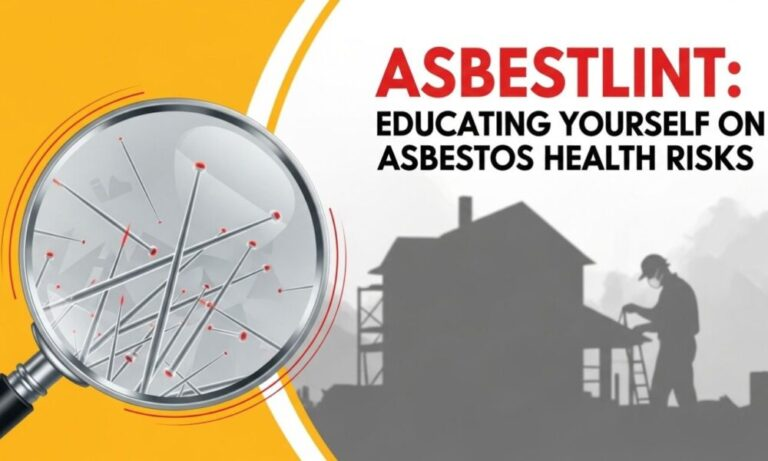
The area is sealed off to prevent fibers from spreading. Air filtration systems capture airborne particles.
After removal, the area is thoroughly cleaned and tested to ensure safety.
Attempting to remove asbestlint yourself is dangerous and often illegal.
Disposal of Asbestlint
Asbestlint must be disposed of according to strict regulations. It cannot be thrown away with regular household trash.
Licensed professionals transport asbestos waste to approved disposal sites.
Materials are sealed in labeled, leak-tight containers to prevent exposure during transport.
Proper disposal protects sanitation workers, the environment, and the public.
Modern Alternatives to Asbestlint
Today, many safer materials have replaced asbestlint in construction and industry.
Fiberglass tape and insulation offer good heat resistance without the same health risks.
Ceramic fiber materials are used in high-temperature applications.
Silicone-based tapes provide flexibility and heat resistance for sealing.
These alternatives show that the benefits once offered by asbestlint can now be achieved safely.
Economic and Legal Impacts of Asbestlint
Asbestlint has had long-lasting economic and legal consequences.
Many companies have faced lawsuits related to asbestos exposure. Compensation has helped victims but also reshaped industries.
Property values can be affected if asbestos-containing materials are present. Disclosure laws require sellers to inform buyers.
Renovation costs may increase due to inspection and removal requirements.
Understanding these impacts helps homeowners and businesses plan responsibly.
Public Awareness and Education
Public awareness has played a major role in reducing asbestos exposure.
Educational campaigns have informed workers and homeowners about risks and safety measures.
Also read:Trucofax: A Complete and Updated Guide to the Modern Business Communication Tool
Training programs ensure that professionals handle asbestlint properly.
Continued education is important because many people today were born after asbestos use declined and may not recognize the risks.
Asbestlint in a Modern Context
Looking at asbestlint today provides a lesson in how technology, health, and regulation evolve.
Asbestlint was once seen as a smart solution to real problems. Its dangers were not fully understood.
Modern science has revealed the long-term effects, leading to stricter controls and safer alternatives.
This history reminds us to carefully evaluate new materials and consider long-term impacts, not just short-term benefits.
Common Myths About Asbestlint
One common myth is that all asbestos materials are immediately deadly. In reality, risk depends on exposure level and duration, but caution is always necessary.
Another myth is that asbestos is completely banned in the U.S. While heavily regulated, some uses still exist.
Some people believe testing is unnecessary if material looks safe. This can lead to dangerous assumptions.
Understanding facts instead of myths helps people make informed decisions.
Practical Advice for Homeowners
If you own an older home, awareness is your first line of defense.
Avoid disturbing old insulation, pipe wraps, or unknown materials.
Before starting renovations, consider an asbestos inspection.
Work with licensed professionals and keep records of inspections and remediation.
These steps protect your health and your investment.
FAQs About Asbestlint
What is asbestlint?
Asbestlint is a tape, fabric, or sealing material made with asbestos fibers, commonly used in older buildings for heat resistance and insulation.
Why is asbestlint dangerous?
Asbestlint is dangerous because it can release asbestos fibers into the air, which may cause serious lung diseases when inhaled.
Where is asbestlint usually found?
Asbestlint is often found around old heating pipes, boilers, furnaces, and insulation in buildings constructed before 1980.
Can asbestlint be removed safely?
Yes, asbestlint can be removed safely, but only by licensed professionals using proper safety equipment and approved procedures.
What should I do if I suspect asbestlint in my home?
If you suspect asbestlint, avoid touching it and contact a certified asbestos inspector for proper testing and guidance.
Conclusion
Asbestlint is a powerful reminder that materials once considered safe and innovative can later reveal serious risks. While its use has declined, its presence in older buildings means it remains relevant today. Understanding asbestlint, recognizing potential risks, and knowing how to manage or remove it safely are essential steps in protecting health and property.
By combining historical context, modern regulations, practical advice, and clear explanations, this guide aims to be a trusted, professional resource. With awareness, professional support, and informed decision-making, the dangers associated with asbestlint can be effectively managed in today’s world.