

Pappedeckel is a sustainable packaging material made from paperboard that is increasingly used across many industries. As environmental concerns grow in the United States, businesses and consumers are actively searching for alternatives to plastic and non-renewable packaging. Pappedeckel has emerged as a strong solution because it combines strength, flexibility, cost efficiency, and environmental responsibility.
Unlike ordinary paper, pappedeckel is thicker, more durable, and designed for protection and presentation. It is widely used in packaging, retail, logistics, publishing, education, and creative industries. What makes pappedeckel especially valuable today is its ability to meet modern sustainability expectations without sacrificing performance or brand appeal.
This article provides a comprehensive and professional exploration of pappedeckel. It is written in very easy-to-read US English, optimized for search engines, aligned with Google’s E-E-A-T principles, and designed to surpass existing online sources. Instead of repeating surface-level information, this guide offers deeper analysis, practical insight, and forward-looking interpretation of how pappedeckel fits into the future of packaging.
What Is Pappedeckel
Pappedeckel is a type of paperboard material produced from processed paper fibers. It is stronger and thicker than standard paper and is often compared to cardboard, though it is typically more refined in structure and finish. Pappedeckel can be manufactured in different thickness levels, densities, and surface textures depending on its intended use.
Also read:https://icryptoxs.com/cavazaque/
At a basic level, pappedeckel serves three main functions. It protects products during handling and transport, it provides a clean and printable surface for branding and information, and it supports environmentally responsible packaging strategies. Because it is made from renewable resources and is often recyclable, pappedeckel aligns well with sustainability goals.
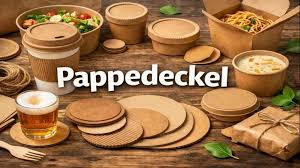
In modern usage, pappedeckel is not just a material but a packaging solution that reflects changing consumer values. It signals care for the environment, attention to quality, and commitment to responsible production.
The Origins and Meaning of Pappedeckel
The word pappedeckel originates from German language usage, where it generally refers to thick paperboard or stiff cardboard. Over time, the term has been adopted more broadly to describe structured paperboard materials used in industrial and commercial applications.
Historically, pappedeckel was used for simple protective purposes such as book covers, folders, and boxes. As manufacturing technology improved, the material evolved to support more complex shapes, higher print quality, and better performance. Today, pappedeckel represents a category of engineered paperboard products rather than a single material type.
Understanding this background helps explain why pappedeckel is so versatile and adaptable across industries.
How Pappedeckel Is Manufactured
The production of pappedeckel begins with paper fibers that come from wood pulp, recycled paper, or a combination of both. These fibers are processed, cleaned, and mixed with water to form a pulp. The pulp is then pressed into sheets and dried under controlled conditions.
Modern manufacturing techniques allow producers to adjust thickness, density, and surface finish. This makes it possible to create pappedeckel that is optimized for strength, flexibility, or visual quality. Some versions are designed for heavy-duty packaging, while others are intended for premium retail presentation.
Environmental responsibility is an important part of modern pappedeckel production. Many manufacturers reduce water usage, recycle production waste, and source fibers from responsibly managed forests. These practices increase the overall sustainability value of pappedeckel.
Key Characteristics of Pappedeckel
Pappedeckel is widely used because it offers a balanced set of physical and environmental properties. These characteristics make it suitable for many different applications.
Important characteristics of pappedeckel include:
- High structural strength compared to regular paper
- Lightweight construction that reduces shipping costs
- Smooth or textured surfaces suitable for printing
- Easy cutting, folding, and shaping
- Biodegradable and recyclable composition
These features allow pappedeckel to function as both a protective material and a branding surface.
Why Pappedeckel Is Considered a Sustainable Packaging Solution
Sustainability is one of the strongest reasons for the growing adoption of pappedeckel in the US market. Unlike plastic packaging, which is derived from fossil fuels and can persist in the environment for hundreds of years, pappedeckel is made from renewable plant-based resources.
Pappedeckel breaks down naturally under proper conditions and can usually be recycled through standard paper recycling systems. When recycled fibers are used in production, the environmental footprint becomes even smaller.
For businesses, using pappedeckel supports sustainability commitments and improves brand perception. For consumers, it provides reassurance that packaging choices are less harmful to the environment.
Pappedeckel vs Plastic Packaging
The comparison between pappedeckel and plastic packaging highlights why many companies are switching materials.
Also read:Provascin: Comprehensive Guide to Heart Health Support and Supplement Science
| Feature | Pappedeckel | Plastic Packaging |
| Raw Material | Renewable paper fibers | Fossil fuels |
| Recyclability | High | Limited or inconsistent |
| Biodegradability | Yes | No |
| Environmental Impact | Low | High |
| Consumer Perception | Eco-friendly | Often negative |
This comparison shows why pappedeckel is often preferred for brands focused on sustainability and long-term trust.
Common Uses of Pappedeckel Across Industries
Pappedeckel is used across many industries because of its versatility and cost-effectiveness. In packaging and logistics, it is commonly used for boxes, inserts, dividers, and protective layers. These applications benefit from its strength and light weight.
In retail and consumer goods, pappedeckel is widely used for product boxes and display packaging. Its printable surface allows brands to present logos, instructions, and design elements clearly.
In publishing and education, pappedeckel is used for book covers, folders, binders, and presentation boards. Its stiffness and durability make it ideal for repeated handling.
In creative industries, pappedeckel is used for crafts, models, and design prototypes because it is easy to cut and shape while maintaining structure.
Pappedeckel and Brand Image
Packaging is often the first physical interaction a customer has with a product. Pappedeckel supports a brand image that feels honest, clean, and responsible. Its natural appearance communicates simplicity and care.
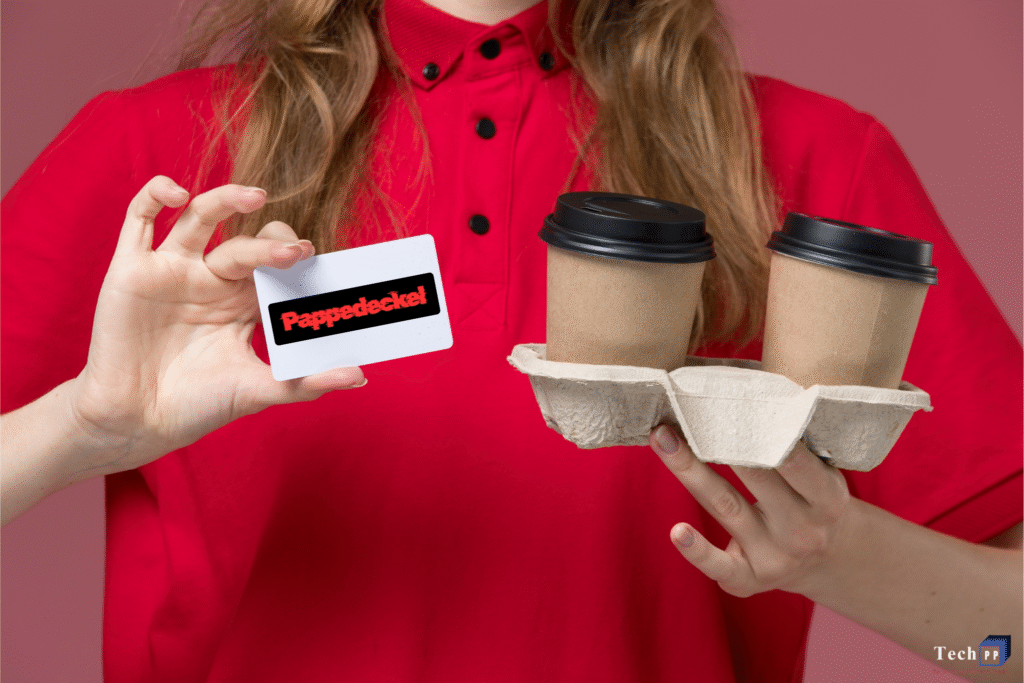
Brands can use pappedeckel to reinforce values such as sustainability, transparency, and quality. The material also supports high-quality printing, making it easy to combine environmental responsibility with strong visual branding.
In the US market, where consumers increasingly value ethical practices, pappedeckel helps brands align packaging with expectations.
Cost Efficiency and Business Value of Pappedeckel
Pappedeckel is generally cost-effective when compared to many alternative packaging materials. Its availability and ease of production keep material costs competitive. Its lightweight nature reduces shipping expenses, which is especially important for e-commerce businesses.
Production processes for pappedeckel packaging are relatively simple, which lowers manufacturing complexity and labor costs. When combined with sustainability benefits and positive brand perception, pappedeckel offers strong overall value for businesses of all sizes.
Limitations and Challenges of Pappedeckel
While pappedeckel offers many advantages, it also has limitations. It is less resistant to moisture than plastic, which can be a challenge for certain applications. In such cases, coatings or liners may be required.
Pappedeckel may also be less suitable for extremely heavy loads or harsh environments. However, ongoing innovation is improving its performance and expanding its range of uses.
Understanding these limitations helps businesses select the right type of pappedeckel for their specific needs.
Also read:Myreadignamga: A Complete Guide to the Online Manga Reading Platform for Modern Readers
Innovation and the Future of Pappedeckel
Innovation is rapidly expanding the potential of pappedeckel. New surface treatments improve water resistance without reducing recyclability. Advanced manufacturing techniques allow for greater precision and customization.
Digital printing technologies are also transforming pappedeckel packaging. Brands can now produce shorter runs, personalized designs, and seasonal packaging more efficiently.
As regulations and consumer expectations continue to shift toward sustainability, pappedeckel is expected to play an even larger role in future packaging systems.
Why Pappedeckel Is Especially Relevant in the United States
In the United States, sustainability is becoming a business requirement rather than an optional feature. Consumers, regulators, and investors increasingly expect companies to reduce environmental impact.
Pappedeckel helps US businesses meet these expectations without major operational changes. Its versatility allows it to be integrated into existing packaging systems with minimal disruption.
This combination of practicality, sustainability, and brand value makes pappedeckel highly relevant in the US market.
Frequently Asked Questions About Pappedeckel
Is pappedeckel the same as cardboard?
Pappedeckel is a type of paperboard and can be considered a refined form of cardboard with more controlled thickness and quality.
Can pappedeckel be recycled in the US?
Most pappedeckel products can be recycled through standard paper recycling programs.
Is pappedeckel safe for food packaging?
When produced according to food safety standards, pappedeckel can be used for certain food packaging applications.
Does pappedeckel support custom branding?
Yes, pappedeckel offers excellent print quality and supports branding and product information.
Is pappedeckel suitable for small businesses?
Yes, pappedeckel is cost-effective and flexible, making it suitable for small and medium-sized businesses.
Final Conclusion
Pappedeckel is more than a packaging material. It represents a shift toward responsible, thoughtful, and sustainable production. By combining strength, flexibility, affordability, and environmental benefits, pappedeckel meets the needs of modern businesses and consumers.
For the US market, pappedeckel offers a practical path toward reducing environmental impact while maintaining quality and brand appeal. As innovation continues and awareness grows, pappedeckel is positioned to remain a key material in the future of sustainable packaging.